REVIEW · SALZBURG
Salzburg Introduction Walking Tour
Book on Viator →Operated by Insight Cities · Bookable on Viator
Old Salzburg is best seen slowly.
This Salzburg Introduction Walking Tour is a compact 2.5 hours where a historian-style guide helps you connect street corners to big ideas, from medieval commerce to Mozart’s childhood. Two things I love: the walk puts real names and real places on the map, and the group stays small enough that you can ask questions and get straight answers. One possible drawback: if you want a single, clear chronological lecture with zero story detours, the experience may feel more like a set of connected scenes than one continuous timeline.
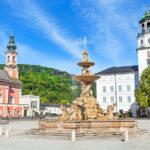
Part of the fun is how the route blends Salzburg’s “famous” face with the less obvious layers: the Getreidegasse passage ways, baroque squares tied to archbishops, and a monastery stop that reaches back to 696 AD. You’ll also get the Sound of Music story with the WWII context that people often skip, including the von Trapp family as a refugee tale. And yes—your legs will be doing most of the work while your guide does the storytelling.
In This Review
- Key Highlights You’ll Actually Feel
- Why this Salzburg Intro Walk Is a Smart Use of Your Time
- Price and Logistics: What $180.21 Buys You
- Where You Start: Linzer G. 39 and How to Get Ready
- Burgher Town and Getreidegasse Passageways
- Baroque Squares: When the Archbishops Ran the Show
- Mozart’s Birthplace Area: More Than a Photo Stop
- St. Peter’s Abbey (Benedictines Since 696 AD)
- Church Music Moments: Nonnenberg Abbey and Rehearsal Energy
- Musical Threads Beyond Mozart: Michael Haydn and the City’s Second Son
- Sound of Music, the Von Trapps, and the WWII Truth
- How the Guides Make or Break the Experience
- What You Should Do Before and After the Walk
- Should You Book This Salzburg Introduction Walking Tour?
- FAQ
- How long is the Salzburg Introduction Walking Tour?
- What’s the price per person?
- Where does the tour start?
- What do I see on the walk?
- Is this tour in English?
- What’s included in the tour price?
- Is food or attraction admission included?
Key Highlights You’ll Actually Feel
- Historian guide approach: you’re not just collecting photos; you’re getting context in plain language.
- Getreidegasse walkthrough: medieval commercial lanes plus those signature passageways you’d miss on your own.
- St. Peter’s Abbey timing: a stop anchored to a monastery tradition starting in 696 AD.
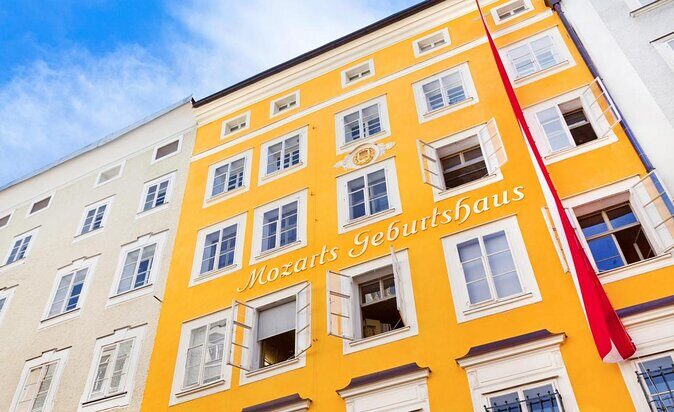
- Mozart’s childhood connections: birthplace plus stories about Wolfgang and Nannerl, not just a quick stop.
- Sound of Music, with the WWII truth: the von Trapps’ story is treated as history, not only movie trivia.
- Comfort tricks on real days: guides have a habit of shifting you to shade and adapting when conditions get hot.
Why this Salzburg Intro Walk Is a Smart Use of Your Time
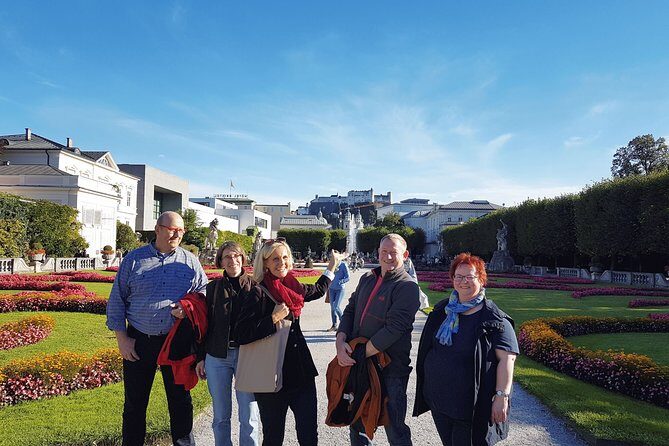
If you only have a day (or even just a half day) in Salzburg, this tour does what a good intro should: it gives you a mental map before you start wandering. I like that it’s built around multiple “layers” of the city—medieval streets, baroque power squares, and the musical world that comes from Salzburg’s churches and performance halls.
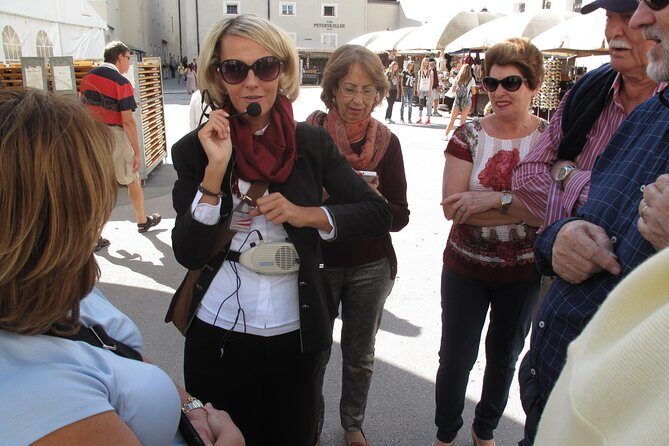
You’ll also be walking with a guide who’s more than a narrator. The tour description notes that guides can be professors, doctoral students, historians, journalists, art critics, or published authors. In plain terms: you’re paying for interpretation, not just directions. That matters in Salzburg, because the details are hiding in plain sight.
And since the group is capped at a maximum of 8 (with the tour also described as small-group, up to six people), you’re more likely to feel like you’re touring with a mentor than like you’re standing in a human parade.
Other Old Town walking tours in Salzburg



Price and Logistics: What $180.21 Buys You
At $180.21 per person for about 2 hours 30 minutes, this isn’t a budget walk. But the value comes from three things you can feel right away:
- Small group size: fewer people means less “hurry along” energy.
- Professional scholarly guiding: you’re hearing why places matter, not only where they are.
- A concentrated route: you cover Old Town highlights without spending your time figuring out what’s worth seeing next.
A couple practical notes to plan for: food and drinks are not included, and Mozart Residence admission isn’t included. So treat the tour as your context starter, then decide later if you want to pay for specific museum or house visits on your own schedule.
Also, the tour has morning and afternoon departures, and one listed start time is 9:30 am. If you’re sensitive to heat or you want the best light for photos, pick the departure that matches your energy and the season.
Where You Start: Linzer G. 39 and How to Get Ready

The meeting point is Linzer G. 39, 5020 Salzburg, Austria. It’s noted as near public transportation, which helps if you’re arriving by train or bus and don’t want to fight for parking.
Bring comfortable walking shoes. The route is designed for a steady walk through older streets and across multiple districts. Even with a comfortable pace, you’ll likely rack up steps—one guide-managed tour included about 10,000+ steps—so don’t plan a “relax all evening” day right after.
If you want to get the most out of the time, show up with at least one question in mind, like:
- Who actually lived where, and when?
- What does Mozart’s childhood in Salzburg have to do with the city today?
- How did the church world shape music here?
Burgher Town and Getreidegasse Passageways
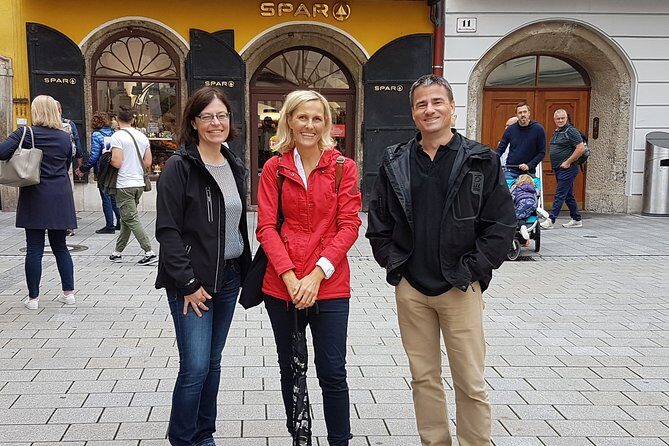
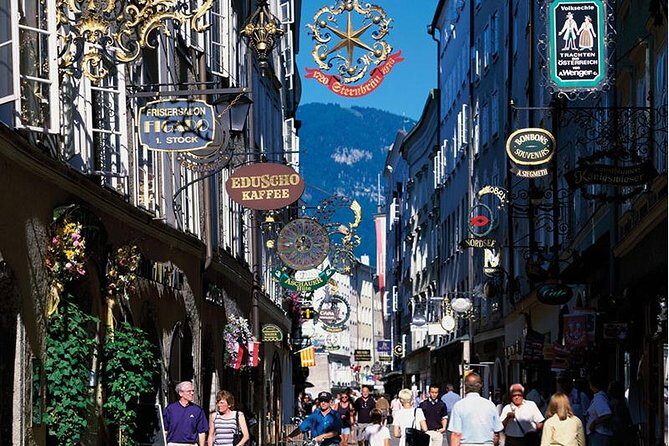
This walk starts by easing you into Salzburg’s Burgher Town, where the streets twist and narrow into the kind of urban maze that makes you stop and look up. The focus is the commercial heart of old Salzburg, especially Getreidegasse—famous for its medieval charm and those passage ways that cut through the city’s fabric.
Here’s what I find especially useful about this part: it helps you understand why Salzburg feels “tight” and human-scale in the old center. You’re not just seeing cute buildings. You’re seeing the street logic of a historic commercial district where people moved goods, not tourists.
What to watch for while you’re walking:
- Small architectural cues that hint at older trade life.
- How the street rhythm changes as you approach wider baroque spaces later.
- Any guide-provided signage or stories that you’d never notice without context.
If your ideal tour is big-picture and fast, this opening can feel a bit slower—because it sets the stage. I think that’s the point.
Baroque Squares: When the Archbishops Ran the Show
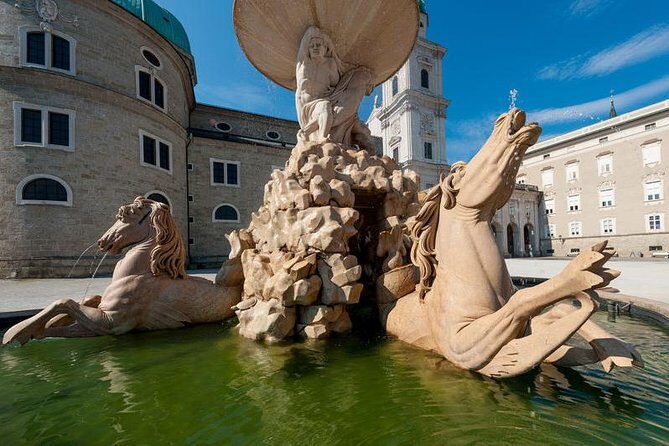
After the older commercial lanes, you shift into the more open, grander feel of baroque squares. This is where Salzburg’s power history becomes visible: the archbishops’ influence shows up in the scale and form of the city’s ceremonial spaces.
This section is valuable for your next steps in the city, because it gives you a way to “read” Salzburg. Once you’ve seen the contrast—tight medieval lanes versus spacious baroque squares—you start noticing why certain routes feel formal, why certain buildings look like they were built to impress, and why music and religion were so connected here.
The only caution: if you’re expecting constant outdoor viewpoints, this part is more about urban design and authority than big scenic overlooks. You’ll still get plenty of atmosphere, but it’s architecture-led, not postcard-led.
Other walking tours we've reviewed in Salzburg





Mozart’s Birthplace Area: More Than a Photo Stop
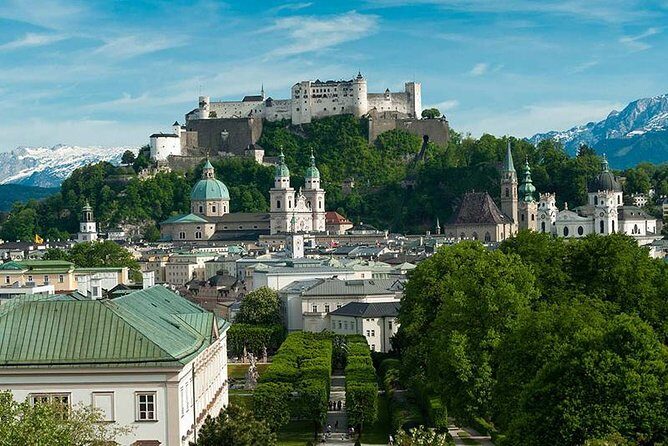
The tour includes Mozart’s Birthplace and stories about his childhood. You’re also guided through the early life context of Wolfgang and Nannerl Mozart, which helps a lot if you only know the movie version of Mozart’s story or what’s on school posters.
I like that this isn’t treated as a one-minute celebrity sighting. You’ll hear how Salzburg’s environment, especially its church and court worlds, shaped the kind of music and opportunities a young Mozart could grow up around.
You’ll also pass the Festival Halls before reaching the monastery area. Even if you don’t go inside, these stops help you connect the dots between:
- the city Mozart grew up in,
- the performance culture Salzburg is known for today,
- and why music here feels more public and institutional than “just art.”
Pro tip: if you’re a music fan, ask your guide how the church world and the festival world overlap. That answer is where the walk turns from sightseeing into understanding.
St. Peter’s Abbey (Benedictines Since 696 AD)
One of the biggest anchors on the route is the monastery complex of the Benedictines called St. Peter—dating back to 696 AD. This is one of those Salzburg moments that can feel unreal if all you’ve seen so far are pretty facades.
Even on a short stop, the guide’s job is to translate age into meaning. That means explaining what such an institution likely did for daily life, education, and cultural continuity. It also sets up why you’ll keep hearing about religious sites and musical practice throughout the walk.
I also like that the tour description mentions Salzburg’s medieval salt commerce and medical innovations. That’s a smart move, because it prevents the city from becoming “only Mozart, always Mozart.” It reminds you Salzburg was an active working place with technology, trade, and science as part of its identity.
Church Music Moments: Nonnenberg Abbey and Rehearsal Energy
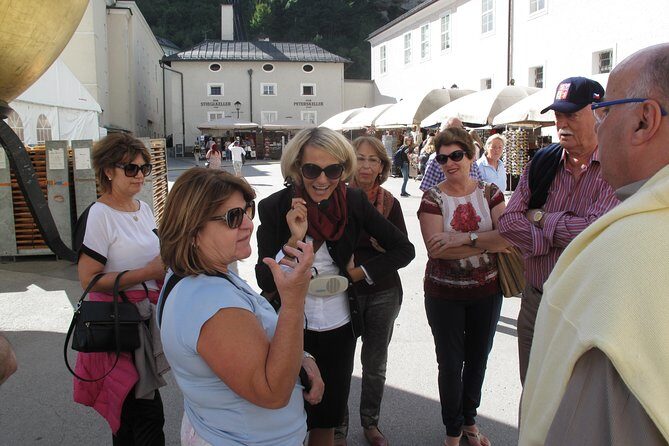
A standout memory from guides is the way they sometimes add smaller, human-scale moments. One example from the experience included a visit into the chapel at Nonnenberg Abbey, where a choir was rehearsing. If that happens on your departure, it’s exactly the kind of scene you can’t recreate by reading a brochure.
Since this isn’t guaranteed in the core route description, treat it like a bonus rather than a promise. But it’s worth mentioning because it shows what this tour does well: it uses the city’s living traditions, not only monuments.
Musical Threads Beyond Mozart: Michael Haydn and the City’s Second Son
You’ll hear about Michael Haydn, described here as the city’s great second musical son. The point isn’t to turn you into an expert in one afternoon. It’s to widen your view so Salzburg doesn’t feel like a one-person story.
This matters because it changes how you interpret what you see next. If your only reference is Mozart, you might walk past other musical names and treat them as footnotes. With this context, those names start to feel like part of a broader Salzburg ecosystem.
You’ll also learn about local customs and traditions along the way. That’s what makes the musical stops feel rooted in daily life, not just historic trivia.
Sound of Music, the Von Trapps, and the WWII Truth
Let’s talk about the elephant in Salzburg: the movie. This tour includes the “Sound of Music” von Trapp family story, but with the emphasis on the true WWII context—including their story as a refugee tale.
That’s the difference between a surface-level stop and something that sticks. It gives you a chance to treat film mythology and real history as two layers of the same cultural legacy.
If you’ve already taken a Sound of Music-focused tour before, this one can still feel useful because it reframes the material with a historical lens and ties it back to the city’s identity and European wartime realities.
And if you haven’t done any Sound of Music touring yet, you’ll leave with enough context that the film scenes you spot later around town feel less like random landmarks and more like a map of stories.
How the Guides Make or Break the Experience
This tour repeatedly gets high marks for guide quality, and you can see why. Names mentioned in past departures include Liza, Claudia, Lisa, Natalie, Peter, Astrid, and Gabe—and the shared thread is how they handle questions, pacing, and group energy.
A few practical strengths show up again and again:
- Guides tailor the tour to group interests.
- They make time for questions instead of rushing past everything.
- They manage comfort, including moving people to shade or seating areas when it’s hot.
- Some guides bring visual aids (like photos) to help you connect buildings to stories.
That adaptability is also the best hedge against the one possible drawback: if you’re craving a strict, uninterrupted overview, a highly story-driven guide might not match your learning style. If you want the tour to be more structured, say so early. A good guide can often adjust on the fly.
What You Should Do Before and After the Walk
Before: pick one theme you care about most—music, power/architecture, or WWII history—and use it as your filter. You’ll find that the guide’s connections start landing faster.
After the tour, you’ll have an easier time deciding what to add:
- If you want to go deeper into Mozart-related sites, remember that Mozart Residence admission isn’t included.
- If you’re hungry, ask your guide for practical snack ideas. In one case, a guide recommended places for refreshments like snacks and ice cream after the walking portion.
Since the tour ends back in Salzburg’s central area (the exact end point isn’t specified), I suggest planning a relaxed follow-up: a café, a church stop you want to revisit, or simply more wandering with your new mental map.
Should You Book This Salzburg Introduction Walking Tour?
Book it if:
- you want a small-group Salzburg intro with historical interpretation,
- you care about Mozart and the city beyond the postcard level,
- you want the Sound of Music story with the real WWII context,
- and you like asking questions while walking.
Skip or choose another format if:
- you want a strict chronological lecture with minimal digressions,
- you’re hoping for lots of paid-entry attractions included in the price (the tour notes Mozart Residence admission isn’t included),
- or you prefer solo exploring with an audio guide where you control every stop.
For most first-timers, this is a strong way to “get your bearings fast” in Salzburg, then branch out with confidence.
FAQ
How long is the Salzburg Introduction Walking Tour?
The tour lasts about 2 hours 30 minutes.
What’s the price per person?
The listed price is $180.21 per person.
Where does the tour start?
It starts at Linzer G. 39, 5020 Salzburg, Austria.
What do I see on the walk?
You’ll cover old Salzburg, including Getreidegasse, baroque squares, Mozart’s Birthplace area, the Festival Halls, and the monastery of St. Peter, plus stories that connect to Salzburg’s musical heritage and the von Trapp family.
Is this tour in English?
Yes, it’s offered in English.
What’s included in the tour price?
It includes a professional scholarly guide and a walk through the historical center of Salzburg.
Is food or attraction admission included?
Food and drinks are not included, and Mozart Residence admission is not included.