REVIEW · SALZBURG
Salzburg Introduction Walking Tour
Book on GetYourGuide →Operated by insightcities.com · Bookable on GetYourGuide
Salzburg history clicks into place fast. This historian-led walking tour helps you understand Salzburg beyond postcard clichés, linking Mozart’s legacy with Gothic and Baroque architecture in a tight 150-minute route. It’s the kind of guided walk that turns big topics (music, trade, religion) into street-level meaning.
I love how the guide keeps the pace friendly but focused, so you actually learn as you move. You’ll get two big wins fast: the city’s musical heritage and the architecture you can see with your own eyes, not just hear about.
One thing to plan for: the tour price is $176 per person, and the Mozart residence admission ticket is not included—so if you want to go inside, budget a little extra.
In This Review
- Quick reasons this Salzburg intro works
- A 150-Minute Salzburg Primer That Actually Connects the Dots
- Mirabellgarten: Starting in the Right Place for Atmosphere
- Mozart Geburtshaus Stop: Music Heritage, No Ticket Included
- Alter Markt and Residenzplatz: Old Squares With Real-World History
- Domplatz: Where You Feel Salzburg’s Gothic and Baroque Mix
- St Peter’s Abbey: A Long Chapter of Salzburg Life
- Price and Value: Is $176 Worth a Historian-Led Walk?
- Who This Tour Fits Best (and When to Choose Something Else)
- Should You Book This Salzburg Introduction Walking Tour?
- FAQ
- How long is the Salzburg Introduction Walking Tour?
- Where does the tour meet?
- What is included in the price?
- Is the Mozart residence admission ticket included?
- What language is the tour conducted in?
- Is this tour private or in a group?
- Can I cancel for a full refund?
- When will I receive confirmation after booking?
Quick reasons this Salzburg intro works
- Historian-style storytelling that connects topics like salt commerce, medical innovation, music, and The Sound of Music to real places
- A UNESCO Old Town route that keeps the sights organized instead of feeling random
- Multiple architecture moments across Gothic and Baroque-looking areas you’ll pass right on the walk
- Mozart Geburtshaus without ticket pressure, since entry is handled separately
- Time-tested walking flow through major squares and landmarks in about 2.5 hours
- Private or small groups available, which usually makes Q&A easier
A 150-Minute Salzburg Primer That Actually Connects the Dots
If you’re short on time in Salzburg, this tour is a smart way to get your bearings fast. The structure is built for people who want context: you’re not just checking off landmarks. You’re learning why Salzburg became important, and how that importance shows up in the streets.
What makes it work is the tone and the guide profile. The tour uses live English and the guides come from serious academic and professional backgrounds—professors, doctoral students, historians, journalists, art critics, and published authors. Translation: you’re more likely to get explanations you can reuse later, not memorized facts that evaporate the moment you reach the next corner.
The walking format also helps you see how the city’s different identities overlap. Salzburg is famous for Mozart. It’s also famous for music culture in general, but the tour ties that to older layers of the city—trade, ideas, and civic life—so the music doesn’t feel like a floating topic. Even the movie legacy of The Sound of Music is treated as part of the bigger Salzburg story rather than a separate add-on.
And yes, you’ll spend plenty of time outdoors. This is a “watch and learn while moving” experience, so wear comfortable shoes. You’ll cover enough ground that it feels like a real introduction, but it’s still gentle enough to enjoy the sights.
Other Old Town walking tours in Salzburg



Mirabellgarten: Starting in the Right Place for Atmosphere
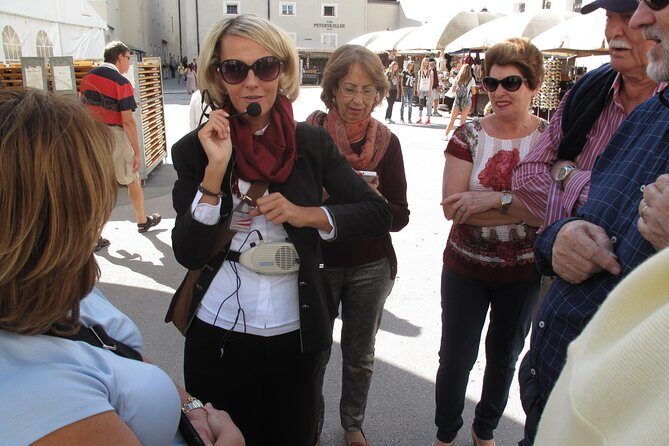
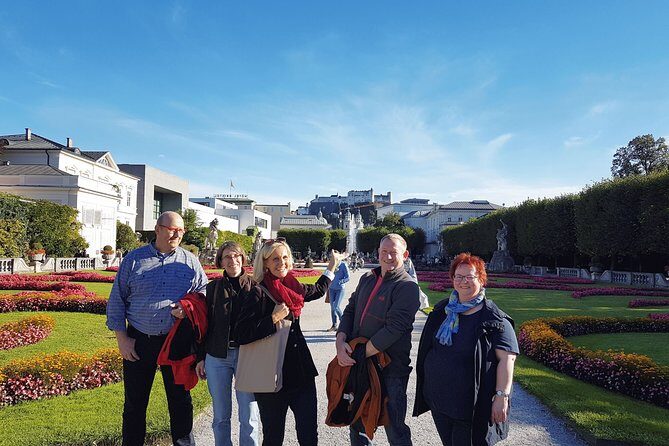
Your walk begins outside Coffeehouse Salzburg on Linzergasse 39 (Linzer G. 39), then you head toward Mirabellgarten. This is a good first stop because it sets the tone. Gardens and open spaces give your brain a reset after travel, and they’re also where you can start noticing the city’s visual language—symmetry, design, and the kind of intentional layout that shows up again and again in Salzburg.
I like that the tour doesn’t rush you into the deep end. Starting at Mirabellgarten helps you settle into walking pace and listening mode. You’ll also get a sense for how Salzburg’s “pretty” side isn’t just decoration. It’s tied to how the city presented itself historically.
If you prefer photos, this is a strong section for it. Don’t worry about being perfect. The best advantage here is learning what you’re looking at while your eyes are still fresh.
Mozart Geburtshaus Stop: Music Heritage, No Ticket Included

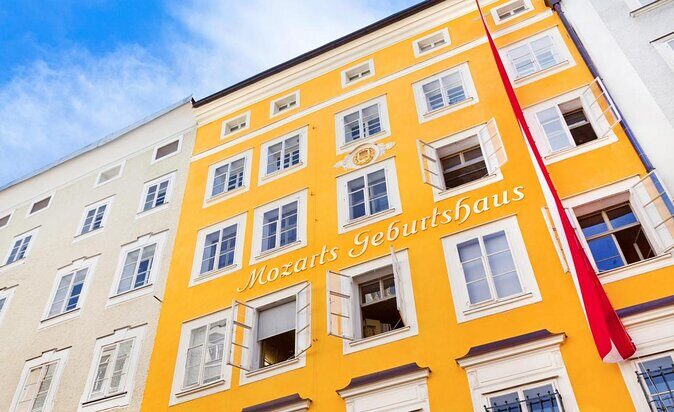
From Mirabellgarten, the route moves to Mozart Geburtshaus (Mozart’s birthplace). This is obviously a highlight, and not just because the name on the sign is famous. The value is in the guided context. Instead of treating Mozart as a headline, you’re given a framework for understanding why Salzburg’s musical heritage is more than one person’s biography.
Here’s the practical catch: the tour does not include admission to the Mozart residence. That means you’ll likely see the site and learn from the outside and/or tour-stop explanations, but you’ll need a separate ticket if you want to go inside and spend time in the exhibition spaces.
I actually think this is workable. The tour is designed as a historical center walk, so the guide uses the Mozart stop to connect themes—music, identity, and how the city became known worldwide. If you add the ticket later, it becomes a natural follow-up rather than the whole day getting swallowed by one attraction.
One helpful mindset: decide ahead of time what you want most—fast context or deeper museum time. If you want depth inside, plan extra time beyond the 150-minute walk. If you want the tour as your “first pass,” this stop still delivers because it’s explained as part of the bigger Salzburg picture.
Some guides on this route have been praised for being Salzburg insiders. For example, a guide named Liza has been described as a hometown expert who answers questions with real confidence—especially when people ask about the stories behind squares, churches, shops, and the buildings you’re walking past. That’s exactly the skill you want at a Mozart stop: not just facts, but meaning.
Alter Markt and Residenzplatz: Old Squares With Real-World History
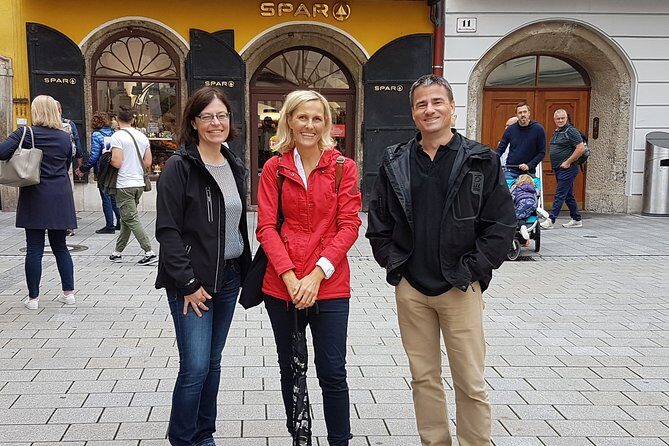
Next up is Alter Markt, followed by Residenzplatz, Salzburg. These are the kinds of stops that can easily turn into “walk, glance, move on” on a lesser tour. On this one, the guide structure matters. Squares like these are where urban life shows up: civic space, commerce, religious influence, and the everyday rhythms that make a city feel alive.
I like that you’re not just told what the place is. You’re guided to notice what kind of city Salzburg became. Alter Markt and Residenzplatz are ideal for learning how power, culture, and daily life overlap in a European old town. You’ll hear about Salzburg’s history in a way that helps the architecture and street layout make sense together.
A practical tip: use these stops to ask your own questions. If you’re curious about how the city functioned—where trade mattered, how people lived, why certain areas became important—this is where your guide can connect the dots. The tour format is built around a conversation feel, not a lecture where you have to save all your curiosity for the last two minutes.
Also, take a second to look at storefronts and building facades while you stand in these squares. Even if you don’t read everything, you’ll start seeing recurring design cues that match the Gothic-and-Baroque theme from the highlights.
Domplatz: Where You Feel Salzburg’s Gothic and Baroque Mix
Then you reach Domplatz. This stop is where Salzburg’s “two styles at once” identity becomes hard to miss. The tour specifically points you toward Gothic and Baroque architecture, and Domplatz is the kind of place where that contrast shows up in a way you can actually experience on foot.
Think of this as the moment your visual checklist starts to become a story. Gothic elements tend to read as tall, structured, and vertical. Baroque often feels more dramatic and theatrical in how it handles light, curves, and emphasis. You don’t have to know the technical terms to get value out of the explanation. You’ll just start seeing why the buildings were designed that way and how that design connects to Salzburg’s history and status.
This is also a good place to slow down. You’re standing in the kind of open area that makes it easy to look around—what’s close, what’s far, and how buildings frame the space. In a short tour, this is how you get the “I understand what I’m seeing” payoff.
If you’re traveling with family or mixed interests, this segment usually lands well because it works for both history lovers and casual sightseers. It’s visually strong, but still explained.
Other walking tours we've reviewed in Salzburg






St Peter’s Abbey: A Long Chapter of Salzburg Life
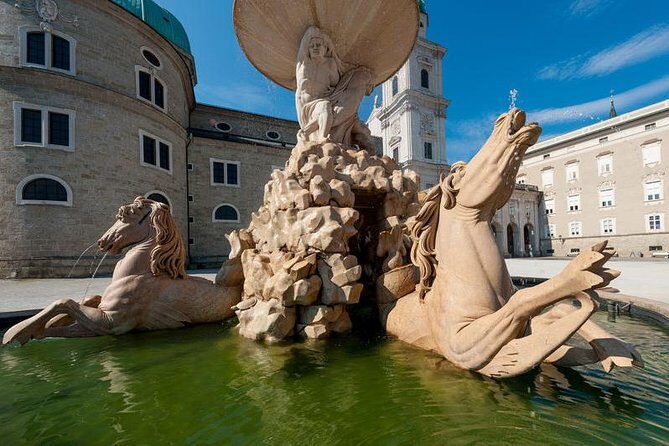
The walk continues to St Peter’s Abbey. Religious sites can either feel like an automatic stop or a meaningful lesson, depending on how the tour frames them. Here, the guide approach matters: the abbey visit is positioned as part of Salzburg’s longer timeline, not just a final photo spot.
This is where the tour’s broader theme—how Salzburg became known—feels more grounded. You’ll hear about the city’s identity through its major institutions and landmarks. That includes the cultural side (music), but also the social and spiritual structures that shape what a city looks like over centuries.
I also like that the tour doesn’t forget everyday life. Even when you’re in a quieter, more contemplative setting like an abbey, the story is still about Salzburg as a place people lived and worked—trade, ideas, and local customs in the background.
If you tend to get tired on walking tours, this is a solid late-stage stop because it gives you a reason to pause. You’re still moving through the itinerary, but you can take in the atmosphere without feeling like you’re rushing to the next landmark every minute.
Price and Value: Is $176 Worth a Historian-Led Walk?
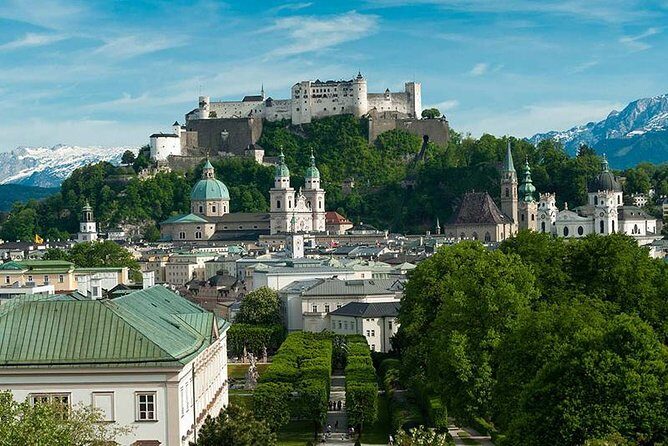
At $176 per person for a 150-minute tour, you’re paying for a guided experience with serious credentials and a focused route through the historical center. The included portion is essentially the whole “learning engine”: a 2.5-hour walk with an expert historian guide that hits major points in Salzburg’s UNESCO-listed old town area.
So what makes it feel like value instead of just “a tour”? Two things:
1) The guide isn’t generic. The tour’s guide profile is academic and professional by design, which usually results in clearer explanations and better answers when you ask follow-up questions.
2) You get multiple themes, not one. Mozart is a huge draw, but the walk also addresses broader Salzburg identity: history, local customs, the city’s musical heritage, and the city’s Gothic/Baroque architectural character.
Your main cost risk is predictable: the Mozart residence ticket isn’t included. If you decide to add it, your total spend will rise. But you control that decision. You’re not forced into museum time as part of the core price.
Also, consider the pacing. This tour is short enough that you won’t feel like your day is swallowed, but long enough that you’re not just stepping between two famous corners. It’s a practical “first introduction” that can help you decide what you want to spend more time on later.
Who This Tour Fits Best (and When to Choose Something Else)
This tour is a great match if you fall into any of these categories:
- You want a structured overview of Salzburg, not a scavenger hunt.
- You care about architecture and music, and you’d like the connections between them explained.
- You like listening to guides who can answer questions with substance.
- You’re traveling in small groups or privately and want a more conversational walk than a big bus tour.
It may be less ideal if you’re purely shopping for admission-ticket experiences. Since the Mozart residence entry isn’t included, you’ll get the guided introduction, but you’ll still need to plan separate time if you want the museum/exhibition component.
And one more consideration: if your personal preference is for an extremely academic lecture style, you should pay attention to how the guide background and teaching tone fit you. This tour’s guide approach is described as historian-led overall, but experiences can vary depending on who leads your specific departure.
If you’re the type who likes to absorb a city’s feel and then pick your own follow-up sites, this tour sets you up well. If you’d rather show up and wander, you might find a self-guided option simpler. But for most visitors, this kind of guide-led route saves time and prevents that frustrating feeling of seeing “pretty things” without understanding why they matter.
Should You Book This Salzburg Introduction Walking Tour?
I’d book it if you want a fast, smart Salzburg starter that ties together Mozart, the city’s major historical spaces, and its Gothic-Baroque architecture into one coherent walk. The price lands in the mid-to-upper range, but the included historian-led guidance and the tight 150-minute format make it easier to justify.
Book it especially if you’re the kind of traveler who enjoys asking questions and listening to clear explanations while you walk. The best payoff comes from being present: look up at facades, listen for how the guide connects themes, and use the squares and landmark stops to anchor what you’re learning.
Skip or adjust your expectations if you only want museum entry tickets baked into the cost. You’ll get the guided Salzburg story here, and you can choose whether to add the Mozart residence time later.
FAQ
How long is the Salzburg Introduction Walking Tour?
It lasts 150 minutes, about 2.5 hours.
Where does the tour meet?
You meet outside Coffeehouse Salzburg, on Linzergasse 39 (Linzer G. 39).
What is included in the price?
The tour includes a 2.5-hour walk through Salzburg’s historical center with an expert historian guide.
Is the Mozart residence admission ticket included?
No. The Mozart residence admission ticket is not included.
What language is the tour conducted in?
The tour is in English.
Is this tour private or in a group?
Private or small groups are available.
Can I cancel for a full refund?
Free cancellation is available up to 24 hours in advance for a full refund.
When will I receive confirmation after booking?
You should receive confirmation within 48 hours of booking, subject to availability.