REVIEW · SALZBURG
Private Walking Tour of Salzburg
Book on Viator →Operated by Free Walking Tour Salzburg · Bookable on Viator
Salzburg can feel like a maze at first. This private walking tour gives you an easy way to get oriented fast while picking up stories that connect the big sights to the smaller ones. You’ll cover classic Mozart landmarks and some quieter corners, all in about two hours.
I especially like two things. First, it’s private (just your group), so the pace feels comfortable and you can ask questions without being herded. Second, the route hits both the obvious hits and the useful extras, like the riverside bridge discussion and the university-area stops that explain how Salzburg works.
One thing to consider: the stops are mostly quick looks rather than long museum-style time. If you want deep time inside major attractions, you’ll likely treat this as your orientation round and then plan longer visits afterward.
In This Review
- Key highlights that make this tour worth your time
- A private Salzburg orientation that actually fits real schedules
- Price and group size: what you’re really paying for
- Where you start and finish: Spirit of Mozart to Mozartplatz
- Stop-by-stop: what each landmark teaches you (and what to watch for)
- Mozart Wohnhaus: see the birthplace story from the right angle
- Schloss Mirabell & Mirabellgarten: a taste first, then a return later
- Makartsteg: love locks and the riverside “why this matters” talk
- Getreidegasse: Salzburg’s famous street and the walk to Mozart’s birthplace
- Universitätskirche: an entry-based stop when it’s open
- Wilhelm-Furtwängler-Garten: monastery past + university present
- Grosses Festspielhaus: the Salzburg Festival in real-world space
- Erzabtei Stift St. Peter: the yard visit when church access is limited
- Salzburg Cathedral: enter one of the key churches with guided access
- Kapitelplatz & Kapitelschwemme: fortress view plus older city texture
- Residenzplatz and Mozartplatz: the political heart and the Mozart cult
- Guide style: why this tour often feels personal
- How to plan your day after the tour
- Who should book this Salzburg private walking tour
- Should you book this tour?
- FAQ
- How long is the private walking tour of Salzburg?
- What does the tour cost?
- Is the tour private?
- Where does the tour start?
- Where does the tour end?
- What time does the tour begin?
- Are there tickets involved?
- Are service animals allowed?
- What if I need to cancel?
- When will I get confirmation after booking?
- Is the tour near public transportation?
Key highlights that make this tour worth your time
- Private pacing: up to 15 people with your own guide, no crowd crush
- First-day orientation route: Mozart, old-town squares, and fortress viewpoints in about two hours
- River walk context: Makartsteg and the love-lock tradition put the waterfront into perspective
- You can enter select churches: Universitätskirche and Salzburg Cathedral, if open
- Festival-season landmark: Grosses Festspielhaus and what happens there in summer
A private Salzburg orientation that actually fits real schedules
Salzburg is one of those places where the map looks simple, but your first walk can still feel like guesswork. This tour is built to solve that. In roughly two hours, you get a structured route through the most important parts of the old town, with enough context that the streets stop feeling random.
The private format matters more than you might think. With a normal group tour, you’re often stuck near the pace of the slowest walker—or you’re sprinting to keep up. Here, you’re with just your group, so it’s easier to slow down at a doorway, pause for photos, or ask about something you notice on the street.
And the timing is practical. Each stop is short, so you’re not losing an entire vacation day to one long sightseeing block. It’s the kind of experience that works on your first day, but also works if you’ve been before and want a refresher with new details.
Other Old Town walking tours in Salzburg



Price and group size: what you’re really paying for
The price is $263.67 per group, up to 15 people, for about two hours. That’s not a “cheap per person” deal in the way public walking tours can be. But the value comes from the fact that you’re buying a guided path through Salzburg’s key areas without the friction of crowds.
If you’re traveling with family or friends and you can fill a group, this can end up feeling very fair. You also get a guide who can tailor the experience to your interests, and your walking time is “spent smart” because you’re not guessing which streets connect the major sights.
One practical bonus: the tour uses a mobile ticket, so you’re not dealing with paper logistics in the middle of your sightseeing.
Where you start and finish: Spirit of Mozart to Mozartplatz
You’ll begin at Spirit of Mozart, Imbergstraße 33A, 5020 Salzburg, with the tour scheduled for 11:00 am. The ending point is Mozartplatz (Mozartpl., 5020 Salzburg), right by the Salzburg Cathedral and the main old-town squares.
What I like about this flow is the way it sets you up for the rest of the day. Mozartplatz sits in the core tourist area, but it’s also close to practical walking connections. The tour ends near tourist information, and you can move easily from there to keep exploring.
This kind of start/end matters because Salzburg’s center is compact, but the best streets don’t always feel obvious until you’ve walked them once with context.
Stop-by-stop: what each landmark teaches you (and what to watch for)
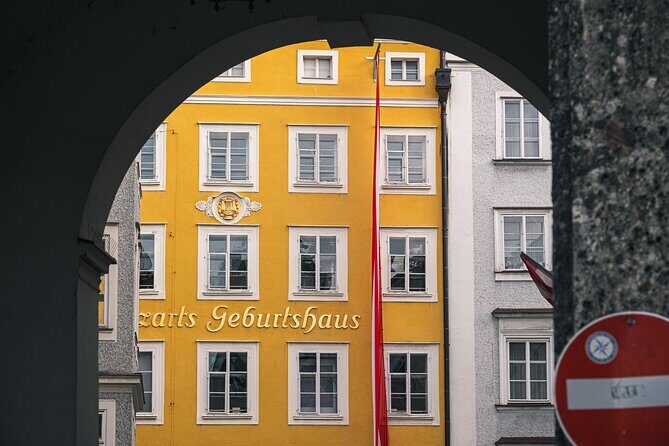
Mozart Wohnhaus: see the birthplace story from the right angle
The tour starts with Mozart Residence (Mozart Wohnhaus), where Mozart lived from age seventeen. You’ll view the house from the opposite side of the square and learn how to read the location in the larger story of Salzburg and Mozart’s fame.
The advantage here is that you’re not just taking a photo of a famous address. You’re learning how to look at it—where to place yourself, what to notice in the surroundings, and why the location matters.
Quick note: since the stop is brief, plan to treat it as a “spot + story” moment. If you want more time at Mozart sites, save extra visits for later after this tour puts everything into order.
Other walking tours we've reviewed in Salzburg






Schloss Mirabell & Mirabellgarten: a taste first, then a return later
Next comes Schloss Mirabell and Mirabellgarten. You’ll get a glance at Mirabell Garden and hear what it meant historically and what it represents today. The guide also sets you up to return after the tour if you want more time exploring the garden in depth.
This is a smart approach. Gardens can be a time sink if you’re not sure what you’re looking at. Here, you get the context first, then you can choose to spend extra time later based on what you found interesting.
If you’re expecting a long garden wandering session during the tour itself, you may feel a bit impatient. But that’s also why it works as a two-hour orientation.
Makartsteg: love locks and the riverside “why this matters” talk
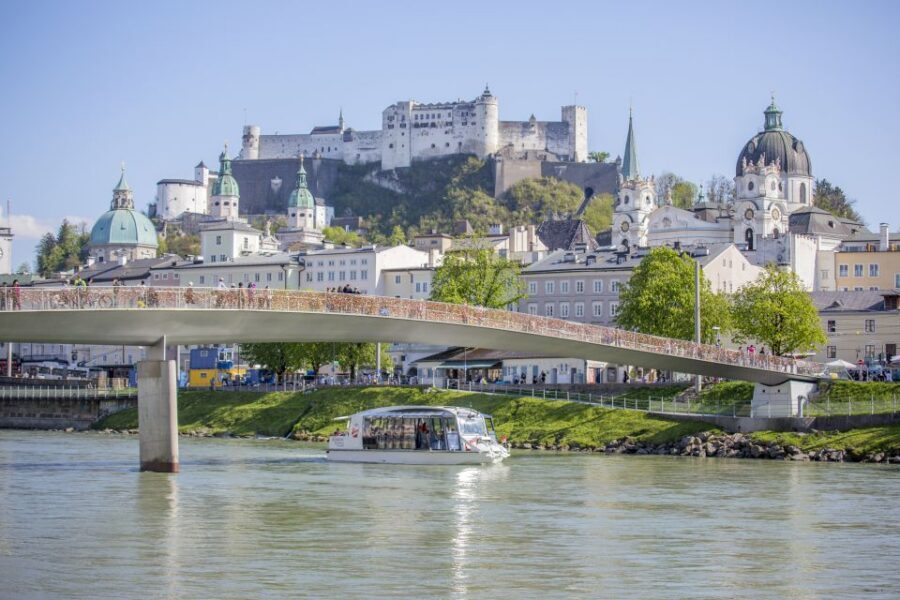
At Makartsteg, you’ll pass the river at the love lock bridge. The guide talks about the love locks, the bridge, the river, and the buildings along the waterfront.
This is one of those stops that turns a quick photo location into something more meaningful. You learn why the waterfront looks the way it does and how the river area fits into the city’s life.
Also, riverside areas often feel different in light and weather. If you can, keep your eyes open after the tour and walk the river again on a different hour—Salzburg can look like a new town just because of the light.
Getreidegasse: Salzburg’s famous street and the walk to Mozart’s birthplace
Then it’s Getreidegasse, described as Salzburg’s most famous street. You’ll walk along toward Mozart’s birthplace, using the street itself as your guide through the old-town layout.
Why this works: Getreidegasse isn’t just a famous lane—it’s a shortcut through context. A guided walk helps you understand which turns matter and how the sights connect.
One consideration: this is an area where crowds can show up, even though the tour format is private. Expect it to still feel lively, and don’t plan on “escape from people” here.
Universitätskirche: an entry-based stop when it’s open
At Universitätskirche, you’ll learn about the University Church and how it’s no longer used as a church. If it’s not closed, you’ll enter as part of the group.
I like this stop because it’s practical and conditional in a good way. You get both the explanation and the chance to see inside, but you’re not promised entry if access isn’t possible.
So, bring flexibility. If you can’t go in due to closure, you still get the main story and the sense of why this part of town matters.
Wilhelm-Furtwängler-Garten: monastery past + university present
The tour moves to Wilhelm-Furtwängler-Garten, also connected to Furtwänglerpark, which used to be a monastery garden. Today it’s tied into the Salzburg University area, and the guide talks about the University, modern art, and Salzburg’s canal system before moving on.
This is a great example of what makes a good orientation tour valuable. It connects the old religious layout of the city to the way Salzburg evolved into an educational and cultural center.
If you’re the type who loves “how a city changed,” this segment should feel especially satisfying.
Grosses Festspielhaus: the Salzburg Festival in real-world space
At Grosses Festspielhaus, you’ll learn about the Salzburg Festival and why this concert hall is such a big deal in the classical music world. Most concerts and opera during the six-week summer festival happen here.
Even if you’re not there in festival season, this stop helps you understand why Salzburg has its specific cultural reputation. The city’s music identity isn’t just a postcard—it’s built into key locations.
Again, the stop is short, so treat it like a map marker plus a context lesson. If you later want to plan a festival-season visit, you’ll know exactly where everything sits.
Erzabtei Stift St. Peter: the yard visit when church access is limited
At Erzabtei Stift St. Peter Salzburg (Saint Peter’s Abbey), you’ll learn that Salzburg was founded in 696 at this site and that it’s the oldest monastery in the German-speaking region.
The tour intentionally does not enter the church or the beautiful cemetery because the monastery and church are still active and guided tours aren’t allowed there. Instead, you’ll visit the yard of the monastery and hear what the guide knows about the place.
This is a very honest and respectful approach. You still get the “what it is and why it matters” without forcing access where it’s not permitted. For me, that makes the stop feel more credible than a tour that tries to cram everything in.
Salzburg Cathedral: enter one of the key churches with guided access
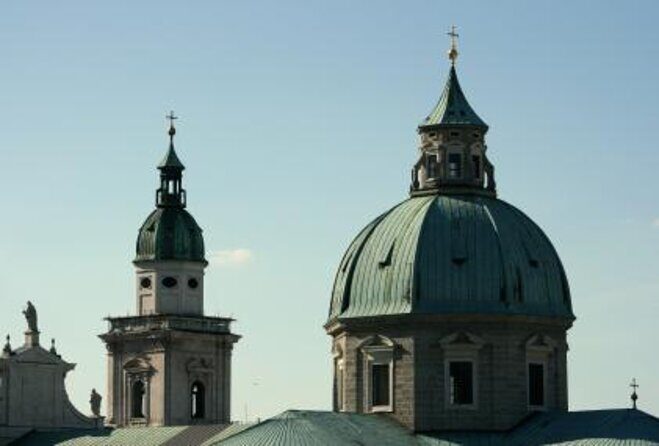
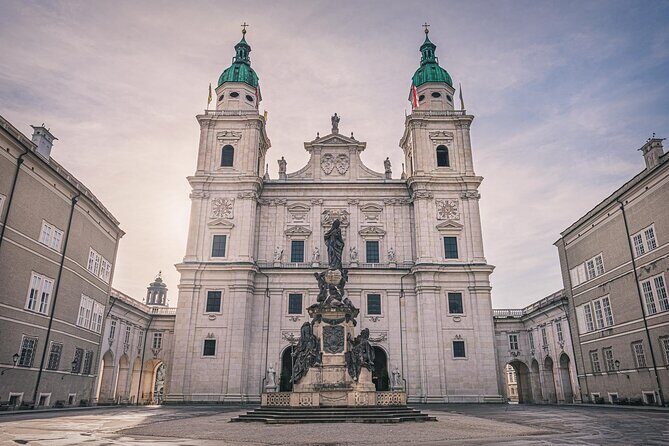
Next is Salzburg Cathedral, described as the most significant church in Salzburg. Here, you’ll enter because guided tours are allowed at this site, so you can see it as more than a street-level landmark.
This stop gives you the reward that some tours skip. You’re walking through a major building with guidance, which helps you understand what you’re seeing rather than simply scanning for the pretty parts.
If the interior is a big part of what you want, this is one of the stops where the time pays off.
Kapitelplatz & Kapitelschwemme: fortress view plus older city texture
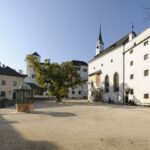
At Kapitelplatz and Kapitelschwemme, you’ll get a view toward Hohensalzburg fortress. You’ll also hear about modern art in the area and visit the oldest bakery of Salzburg.
This combination is why I like this tour style. It balances a major skyline view with the smaller, everyday texture of city life. Old towns aren’t just monuments—they’re also where people ate, worked, and kept going.
Quick watch-out: views depend on weather and light. If you want the fortress photo, give yourself a moment to step aside and look.
Residenzplatz and Mozartplatz: the political heart and the Mozart cult
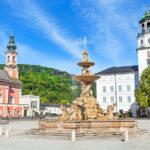
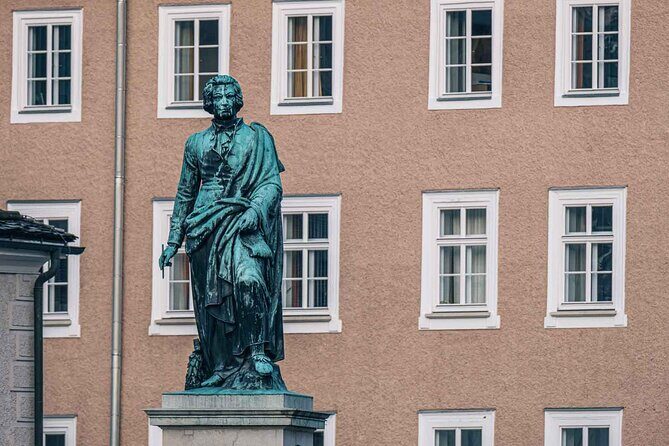
Finally, the tour ends around Residenzplatz and Mozartplatz. Residenzplatz is the main square and old-town heart, named for the archbishop’s residence that was located there historically.
Then you’ll reach Mozartplatz, where the Mozart cult began in the 19th century when they erected the Mozart statue. You’ll look at the statue and hear what surrounds Mozart through the lens of local tradition.
This ending is perfect for first-timers. You finish with the symbolic center of Salzburg, where the city’s identity is physically on display.
Guide style: why this tour often feels personal
The biggest reason people rate this tour so highly isn’t the landmarks. It’s the guide energy. Different guides have different personalities, but the common thread is storytelling with practical takeaways.
I’ve seen multiple guide names tied to the experience, including Leo, Johannes, and Sonja. Guests also mention that Leo brings humor and even sang or serenaded during the walk, which turns a standard history narration into something you remember.
There’s also a pattern of guides giving suggestions for the rest of your stay. That matters because Salzburg has a lot of options, and a good recommendation can steer you toward the right neighborhood, time of day, or the kind of stop you’ll enjoy more.
How to plan your day after the tour
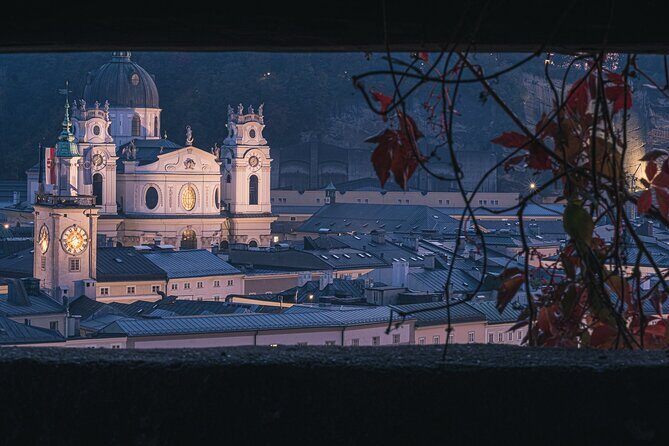
This tour ends at Mozartplatz, right near the Salzburg Cathedral and Residenzplatz. That’s an easy launch point for follow-up exploring.
Here’s how I’d use it:
- If it’s your first day, use what you learned to pick 2 to 3 spots for longer visits rather than trying to see everything.
- If you’re returning to specific Mozart sites, you’ll know which direction to go and what story link you’re chasing.
- If you want photos, take advantage of the fact that the tour includes riverside and fortress viewpoints, which can be revisited at a better hour.
Think of this experience as your “city orientation draft,” then you edit it with your own pace.
Who should book this Salzburg private walking tour
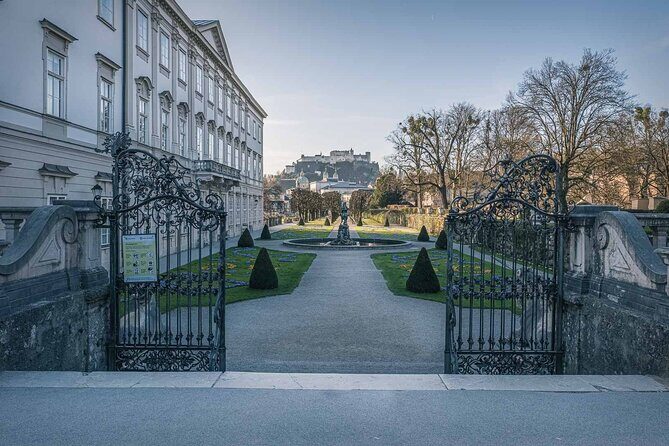
This is a strong fit if you:
- want a first-day orientation without a long schedule
- prefer private or small-group attention over crowds
- enjoy stories that connect buildings to how Salzburg became Salzburg
- want a route that works for a range of ages (the tour has been described with families from about age 10 to 50)
It may be less ideal if you:
- want long inside-the-building time at major attractions during the same two hours
- dislike walking in old-town streets with short stops and movement
Should you book this tour?

If you’re trying to decide between seeing Salzburg randomly and seeing it with a plan, I’d book this. The price per group is high compared to public tours, but you’re paying for a guided route that’s timed well, structured, and private. And the stop mix hits both the famous Mozart core and the practical details that help you move around town with confidence.
For many people, this becomes the first activity of the trip because it makes everything afterward easier. If you only have a limited window and you want your time to count, this is one of the better ways to start.
FAQ
How long is the private walking tour of Salzburg?
It lasts about 2 hours.
What does the tour cost?
The price is $263.67 per group (up to 15).
Is the tour private?
Yes. It’s a private tour/activity with only your group participating.
Where does the tour start?
Start at Spirit of Mozart, Imbergstraße 33A, 5020 Salzburg, Austria.
Where does the tour end?
The tour ends at Mozartplatz, Mozartpl., 5020 Salzburg, Austria, near the Mozart statue and Salzburg Cathedral area.
What time does the tour begin?
The listed start time is 11:00 am.
Are there tickets involved?
You receive a mobile ticket, and the listed stops show admission ticket free.
Are service animals allowed?
Yes, service animals are allowed.
What if I need to cancel?
Free cancellation is available if you cancel up to 24 hours in advance for a full refund.
When will I get confirmation after booking?
Confirmation is received within 48 hours of booking, subject to availability.
Is the tour near public transportation?
Yes, it is near public transportation.