REVIEW · SALZBURG
Salzburg: Mozart Concert at Mirabell Palace
Book on GetYourGuide →Operated by Salzburger Konzertgesellschaft m.b.H. · Bookable on GetYourGuide
Salzburg music feels different in marble. The Mirabell Palace Marble Hall turns an evening of chamber music into something almost physical, with Baroque-style drama and a real Mozart connection: Leopold Mozart and his children performed here.
I especially like the way this concert stays close to the musicians. You get live, unplugged chamber music with changing soloists and ensembles, so the sound feels intimate instead of piped-in. One heads-up: on warmer evenings, the hall can feel hot, so bring patience and dress light.
In This Review
- Key highlights to know before you go
- Marble Hall at Mirabell Palace: Mozart’s kind of spotlight
- Your 90-minute plan: what happens before, during, and after
- Chamber music, unplugged: why the sound is so clear here
- What you might hear: Mozart works plus surprise instruments
- Seating, stairs, and the camera-free rule
- Making it a great Salzburg night in Mirabell Palace
- Price and value: is $49 worth it?
- Who should book this concert, and who should skip it?
- Should you book the Mozart Concert at Mirabell Palace?
- FAQ
- Where is the Mozart concert held?
- How long is the concert, and is there an intermission?
- Are cameras, video, or audio recordings allowed?
- Are food and drinks included?
- When should I arrive?
- Is this suitable for children?
Key highlights to know before you go
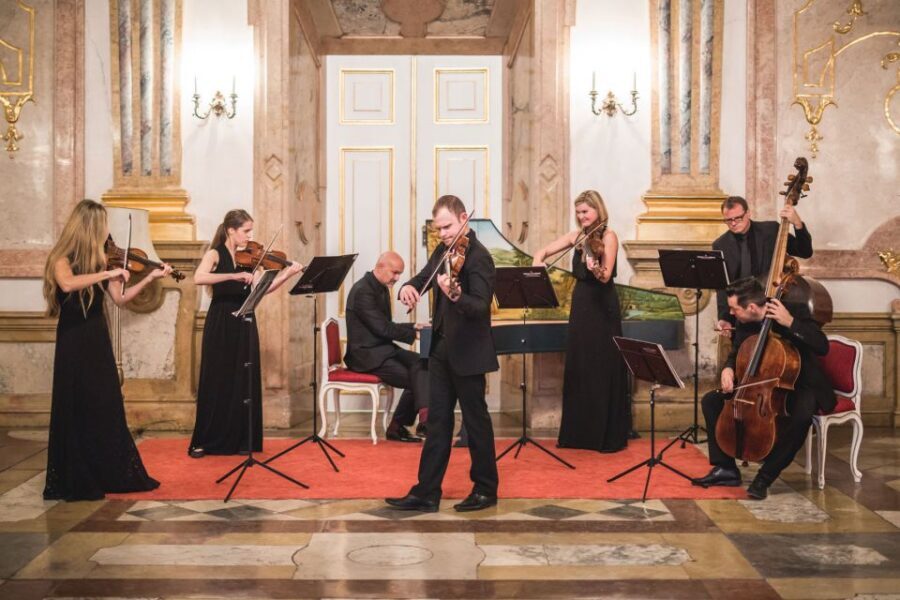
- Marble Hall acoustics: natural sound that doesn’t need speakers
- Mozart-era setting: the room where Leopold Mozart and family performed
- Live, unplugged chamber music: small-group performances with real balance
- One 15-minute intermission: enough time to reset without dragging the night out
- Seats matter: front categories tend to make it easier to see bowing and facial expressions
- Camera-free policy: plan on enjoying with your eyes and ears only
Marble Hall at Mirabell Palace: Mozart’s kind of spotlight
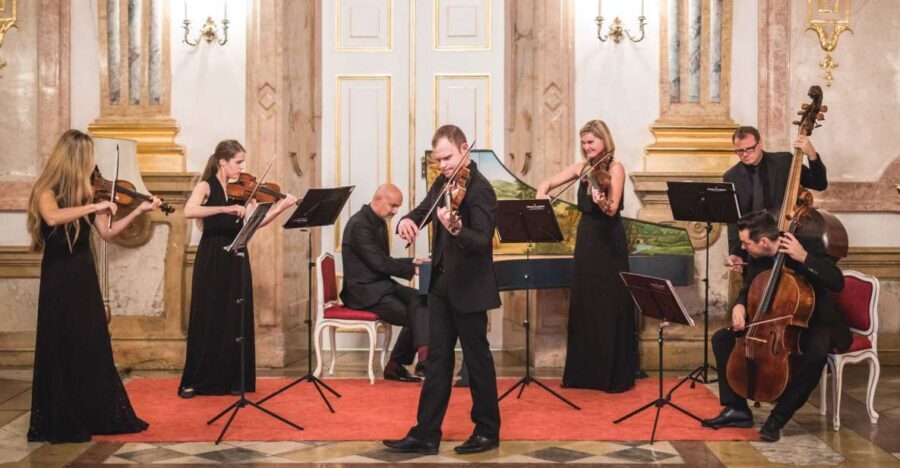
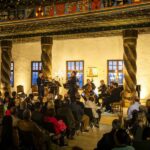
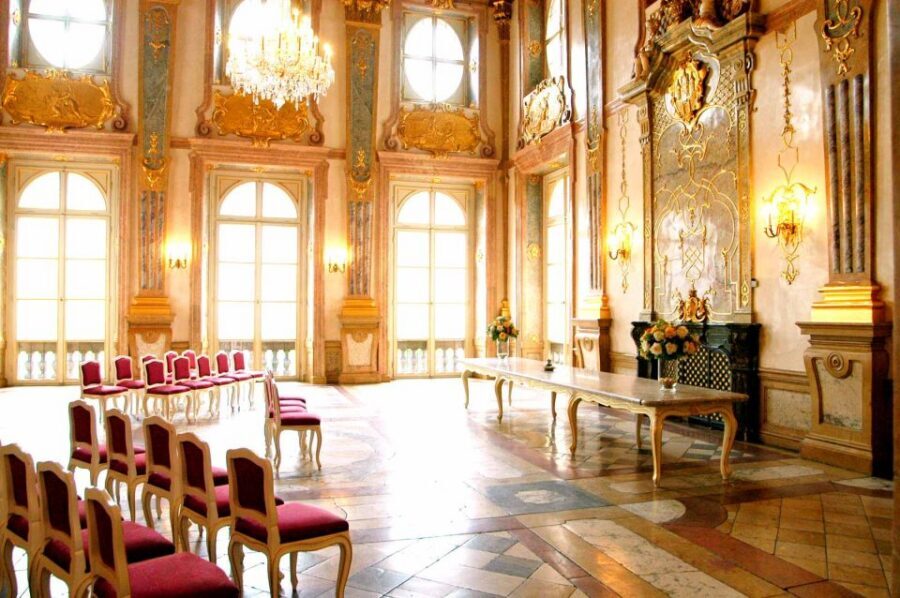
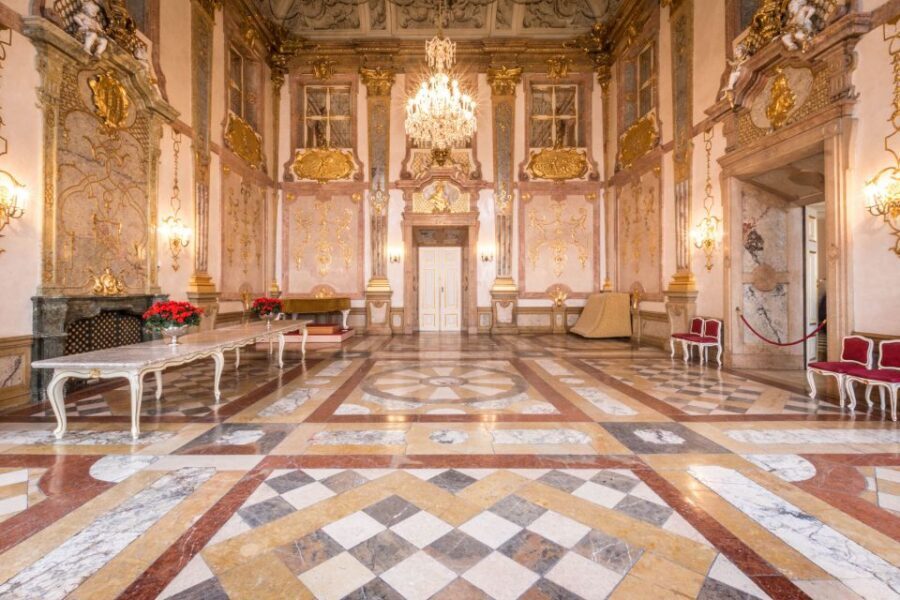
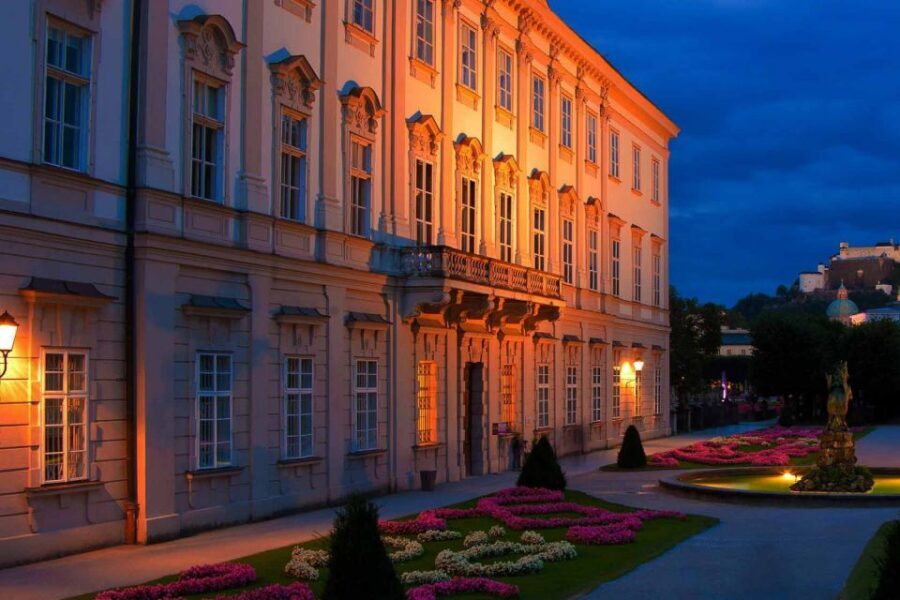
Mirabell Palace is already worth a stroll, with its famous gardens and grand spaces. But this concert adds one extra layer: you’re not just looking at beauty from the outside. You’re stepping into a room built for sound and ceremony—the Marble Hall, once the banquet hall of the prince archbishops.
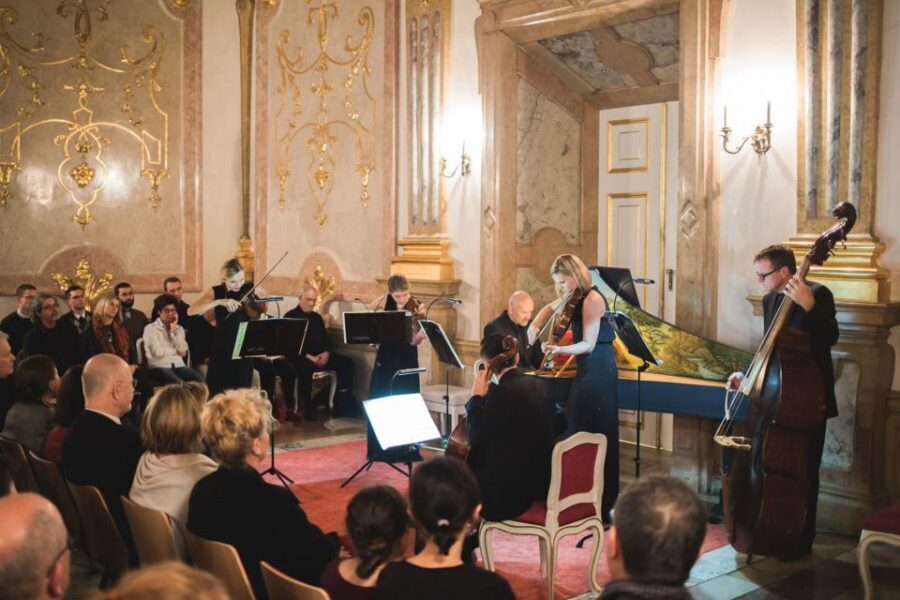
The best part is how the room changes what “classical music” feels like. Marble creates a cool, reflective feel, and the hall’s proportions help voices and strings land cleanly. In practice, that means you hear detail: attacks of notes, light and weight in the phrasing, and the way instruments blend without the sound getting muddy.
And yes, the Mozart tie is more than a marketing line. Leopold Mozart and his children—including Wolfgang and Marianne (nicknamed Nannerl)—performed in this space. Even if you don’t treat that as a history lesson, it gives the whole night extra gravity. You’re hearing music in a place that was built for similar moments: gatherings, performances, and attention focused on the stage.
Other Mozart heritage tours in Salzburg


Your 90-minute plan: what happens before, during, and after

This is a clean, no-nonsense evening. The total time is about 90 minutes, with one intermission of 15 minutes. If you like concerts that don’t swallow your whole night, you’ll appreciate the pacing.
Here’s how the flow works in real life:
- Arrive early enough: doors open 30 minutes before the concert.
- Exchange your voucher: the box office is on the 1st floor, in front of the Marble Hall.
- Find your seat and settle: lighting is typically dimmed during the performance, which helps the room feel more like a “listening space.”
- Intermission happens once: you’ll have a 15-minute break, with refreshments available.
After the music starts, you can expect a sequence of chamber works rather than a long, formal symphony-length experience. That suits Salzburg well. You’ll get a high-impact cultural moment without leaving you exhausted the next day.
One small practical detail that matters: this is not a show you can “half-attend.” If you want to get the most from chamber music, you need to stay put and quiet. The hall policies also reinforce that—no recording, no camera—and the result is an atmosphere that feels focused.
Chamber music, unplugged: why the sound is so clear here
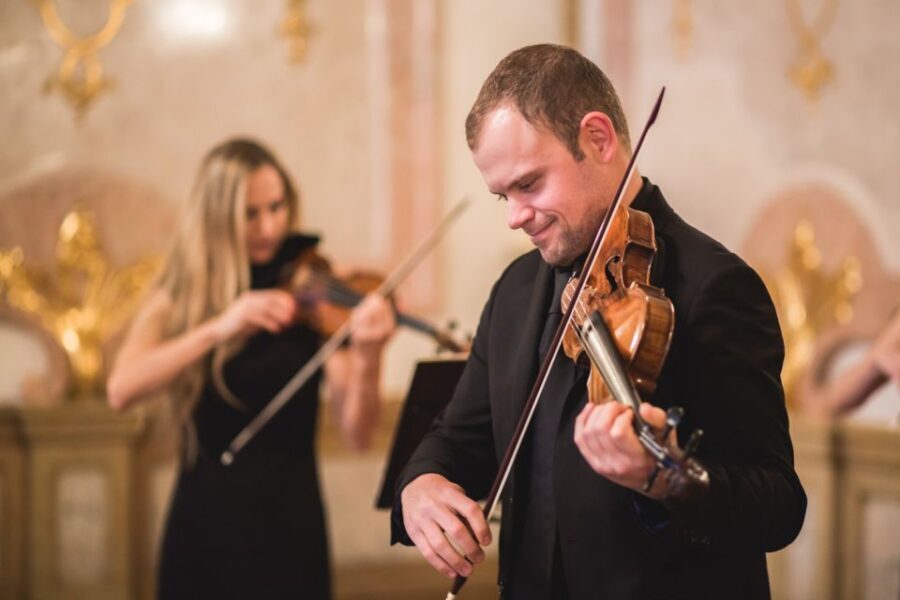
Chamber music depends on balance. One instrument can’t hide behind a huge wall of sound. That’s exactly why a great room matters, and the Marble Hall’s natural acoustics are a big part of why people love this concert.
In a good hall, you hear more than melody. You hear conversations. A violin line answers a flute, a cello anchors harmony, and the inner voices show up instead of disappearing. When performances are live and unplugged, you also get a clearer picture of the musicians’ dynamics—how they soften, then suddenly brighten, how they shape the ends of phrases.
You’ll notice that the “intimacy” isn’t only about proximity. It’s about how the sound carries. Many concert halls are big enough to make you feel far from the stage. Here, the hall’s design keeps the sound close and coherent. Even if you’re not in the very first row, you can still follow what each player is doing.
And because it’s chamber music, it’s also a great place to pick up small details you might miss in bigger venues—like how quickly players coordinate entrances, or how they react to each other mid-phrase. The best chamber groups play like they’re listening even while they’re performing.
What you might hear: Mozart works plus surprise instruments
Your ticket is for a Mozart-focused concert experience, but the program isn’t always limited to just one composer. You may hear Mozart, and you might also hear other Baroque and Classical voices—depending on that night’s lineup.
Based on past performances in this series, you can reasonably expect the instrumentation to be varied. Chamber music programs here have included:
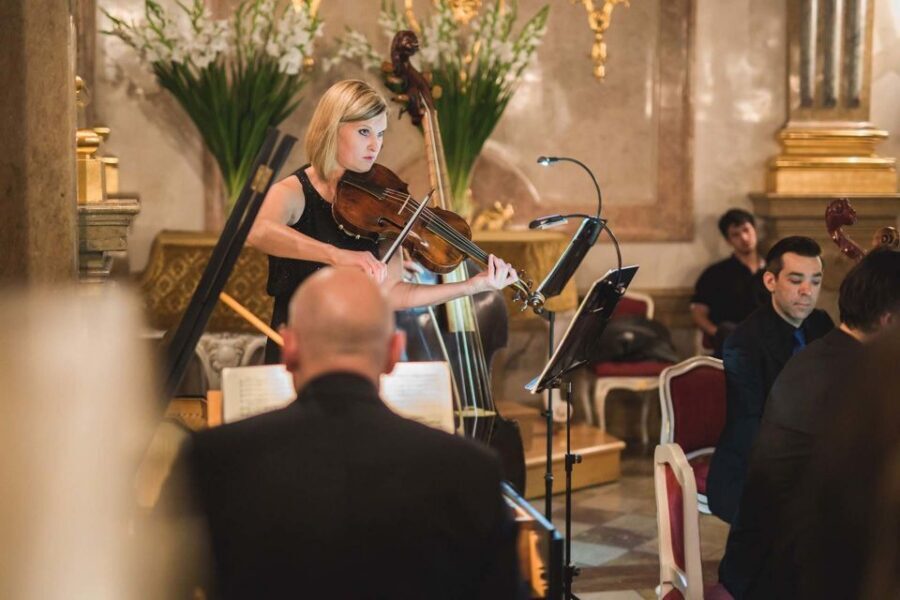
- string quartets and other small string groupings
- winds like oboe and flute/flautist
- keyboard elements such as harpsichord
- solo-focused moments, including strong cello highlights
- occasional surprises in instrumentation, like a guitarist joining the ensemble
One reviewer highlight that’s worth taking seriously: the harpsichord can be a real standout in this hall. It’s not just a novelty sound—it cuts through with definition and changes the color of the whole evening.
Also, don’t be surprised if the concert includes a recognizable flourish or two. When a performance includes something like the popular “Turkish” style theme associated with Mozart, it can make the music feel instantly familiar without ruining the chamber-music mood.
The key idea: you’re not only buying a composer name. You’re buying a set of arrangements where soloists and ensembles swap in and out, giving the night a sense of movement and contrast.
Seating, stairs, and the camera-free rule
This concert is held up in the Marble Hall on the 1st floor, and that means steps. If you use mobility aids, the venue is described as wheelchair accessible, but you’ll still want to plan your route so you don’t get surprised by stairs or crowded paths.
Now for the seating reality. Tickets can be reserved seats or open seating depending on the category you choose. If you care about visibility—seeing hand position, bow movement, and musicians’ interactions—picking a front category helps a lot. One of the most common “wow” moments in these kinds of chamber concerts is watching how closely the players respond to one another.
Also: this is a strict listening environment.
- Cameras are not allowed
- No video recording
- No audio recording
- No luggage or large bags
That’s actually a plus for the concert atmosphere. You won’t have screens blocking views, and you won’t get random phone noises. The trade-off is simple: you’ll rely on memory instead of footage.
One more practical tip: the box office is in front of the Marble Hall on the same level as the entrance area. If you show up and immediately look for a “main ticket counter” somewhere else, you might waste time. Follow the signs and head to the Marble Hall first floor window/desk.
Other Mozart concerts in Salzburg



Making it a great Salzburg night in Mirabell Palace
You can turn this from a standalone concert into a smooth Salzburg evening. The venue sits at Mirabellplatz 4, and the palace setting makes it easy to combine with the gardens.
A good approach is to plan for a slow start:
- arrive early enough to clear exchange lines
- take a little time to absorb the palace atmosphere outside
- then head up to the hall without rushing
Because the doors open 30 minutes early, you don’t have to sprint. You can get oriented, locate your entrance point up to the hall, and avoid that last-minute stress that can kill the mood.
During intermission, refreshments are available for purchase, so you can get something light. You’ll also find CDs for sale before the concert and during the break, which is handy if you want a souvenir that’s actually connected to what you heard.
One caution: if you’re going on a hot day, plan clothes accordingly. One guest described feeling overheated during a warm summer night. The lesson is simple: dress light and stay hydrated before the show.
Price and value: is $49 worth it?

At about $49 per person, this concert is priced in a way that feels realistic for Salzburg—especially when you factor in the setting and the “small-group” format.
Here’s why it often feels like good value:
- You’re paying for a top-tier historic performance space, not a generic theater.
- You’re getting live chamber music with changing soloists and ensembles, not a prerecorded or amplified setup.
- The concert is short enough (90 minutes) that it’s a focused cultural evening, not a half-day commitment.
If you usually spend more on ticketed classical concerts, you’ll likely appreciate that this gives you the “Marble Hall magic” without needing a huge budget. The main value trade-off is that you should treat it as a proper listening event: no recording, minimal “hangout” style entertainment.
Who should book this concert, and who should skip it?
This is best for you if:
- you like Mozart and want a setting where the music feels close to the action
- you enjoy chamber music more than large orchestra concerts
- you want an evening that’s elegant and memorable without being overly long
You might want to skip it if:
- you need a kid-friendly performance for very young children (it’s not suitable for children under 6)
- you’re the type who needs frequent breaks, because this is one continuous 90-minute experience with just a single intermission
It also works well if you care about sound quality. The hall’s acoustics and the unplugged nature of the performance are a big part of the point.
The organizer is Salzburger Konzertgesellschaft m.b.H., and the whole concept fits Salzburg well: a compact, high-quality cultural moment in the center of the city’s best historic spaces.
Should you book the Mozart Concert at Mirabell Palace?
I think it’s an easy “yes” for most people who enjoy classical music, want a true Salzburg highlight, and like the intimacy of chamber performance. The Marble Hall setting, the natural acoustics, and the idea of hearing Mozart in a room connected to the Mozart family make it feel more meaningful than a typical ticketed show.
Book it if you can handle a camera-free concert environment and you’re okay with a hall that can feel warm on hot nights. Skip it if your top priority is entertainment that works like a casual night out, because this is built for attentive listening.
If you’re aiming for one strong cultural evening in Salzburg, this is the kind that leaves a clear memory: marble, small-group music, and sound that lands with surprising clarity.
FAQ
Where is the Mozart concert held?
The concert takes place in the Marble Hall on the 1st floor of Mirabell Palace, at Mirabellplatz 4, 5020 Salzburg.
How long is the concert, and is there an intermission?
The concert lasts 90 minutes and includes one intermission of 15 minutes.
Are cameras, video, or audio recordings allowed?
No. Cameras, video recording, and audio recording are not allowed.
Are food and drinks included?
No. Food and drinks are not included. Refreshments and CDs are available for purchase before the concert and during intermission.
When should I arrive?
Doors open 30 minutes before the concert. You’ll need time to exchange your voucher for an original ticket at the box office on the first floor in front of the Marble Hall.
Is this suitable for children?
It is not suitable for children under 6 years.