REVIEW · SALZBURG
Private Austrian Wine & Charcuterie Tasting Class with a Pro-Sommelière
Book on Viator →Operated by Tasting Atelier · Bookable on Viator
Salzburg can be a little heavy on scenery, so this is the kind of add-on that hits the stomach and the brain. You’ll get a private Austrian wine lesson with a pro-sommelière, and you’ll taste six wines matched with a classic Austrian cold-cut plate, Marende Platte. My favorite part is how the pacing makes wine feel easy, not intimidating. The one drawback to keep in mind: this is a 2-hour tasting, so if you want a long sit-down meal or a lot of time to fully linger, plan a second stop nearby.
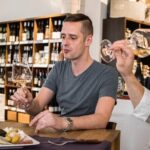
You’ll meet at the Miele Experience Centre Salzburg in Kleßheim, then settle into a guided flow of wine, food, and stories. The host I’m highlighting here is Melanie Pascal Heiss of Tastelier, and from the way she runs the room (friendly, upbeat, and clearly having fun), you’ll get the feeling this is a job she likes doing. You’ll also cover how Austrian wine is made and why Austrian wine culture works the way it does. If you’re the type who likes to take notes nonstop, you may find yourself pausing between sips just to taste the next pairing.
In This Review
- Key things that make this tasting work
- Where it starts: Miele Experience Centre Salzburg (Kleßheim)
- The core experience: six Austrian wines, paced for real tasting
- Why six wines feels like a sweet spot
- What the guide focuses on
- Marende Platte: Austrian cold cuts and bread as your tasting “tool”
- How the food changes the wine experience
- A heads-up for picky eaters
- How the guide keeps it fun (and actually helps you learn)
- What an actual timeline feels like (without the chaos)
- Price and value: is $225.73 per person a smart buy?
- Who this tasting suits best
- Should you book this Austrian wine-and-food class?
- FAQ
- How long is the private wine and charcuterie tasting class?
- What is included in the tasting?
- Where does the experience meet?
- Is this experience private?
- How far in advance should I book?
- What is the cancellation policy?
Key things that make this tasting work
- Six wines in one session so you can compare styles without doing homework first
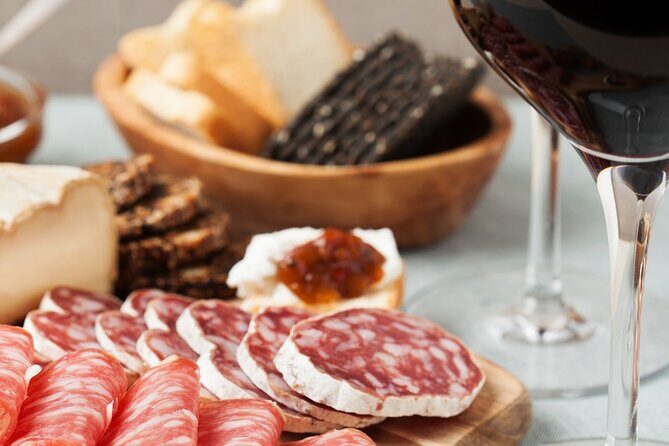
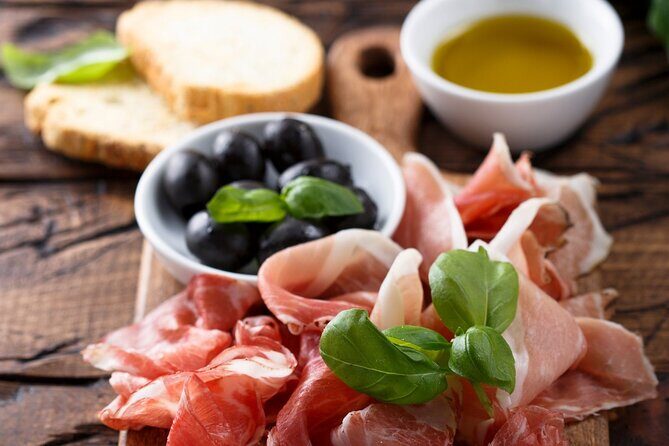
- A full Marende Platte pairing with cold cuts, cheese variations, spreads, and freshly baked bread
- A pro-sommelière at the center of the experience, not just background commentary
- Private format for just your group, so questions don’t get swallowed by a crowd
- Austrian wine law and production stories that turn tasting into context, not trivia
Where it starts: Miele Experience Centre Salzburg (Kleßheim)
The meeting point is the Miele Experience Centre Salzburg, at Mielestraße 10, 5071 Kleßheim. Even if you aren’t there for appliances, it’s a useful starting choice because it gives the class a clear, easy-to-find home base in the area.
For practical reasons, I like this setup. You arrive, you’re guided in, and you’re not spending your first 20 minutes hunting for a bar seat and hoping someone explains what you’re doing. Since this experience runs about 2 hours, you’ll also be glad you start in a fixed place where you don’t lose time.
If you’re using public transport, the listing notes it’s near public transportation, which matters in Salzburg because you can end up paying for taxis on short trips without meaning to. This style of tour is also a good fit if you don’t want to stack multiple stops that each require a fresh navigation plan.
Other food and wine tasting tours in Salzburg


The core experience: six Austrian wines, paced for real tasting
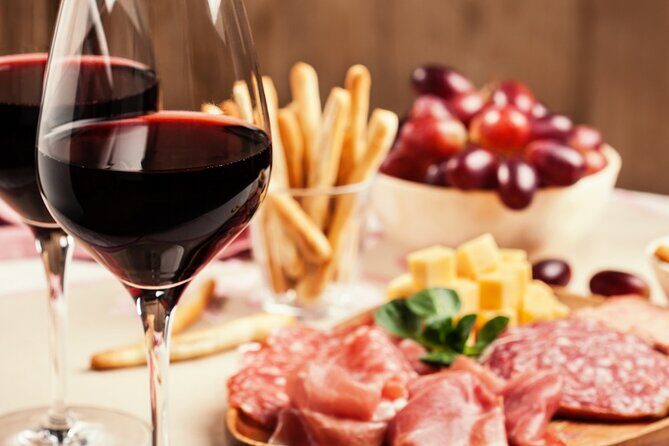
This class is designed around comparison. You’re not just sipping one wine and moving on. You’ll try six Austrian wines, and you’ll get guidance on what to notice as you taste them.
That matters because Austrian wine can feel like a big umbrella at first. You might recognize a few names, but the deeper differences come from things like grape variety, how the wine is made, and how it’s meant to pair with everyday food. In this session, the tasting is paired with food from the start, so you’re constantly learning by doing. Your palate gets trained in real time.
Why six wines feels like a sweet spot
Six is enough to build a pattern. You’ll start noticing what you tend to like, and you’ll also learn what you didn’t expect to enjoy. It’s also a smart value move: at $225.73 per person for a private class, you want your money to buy genuine variety, not just one or two bottles worth of instruction.
What the guide focuses on
You’ll hear how Austrian wine is made and why Austrian wine culture has specific rules and traditions. One big point you’ll get during the session is that Austria has strict wine laws. That’s not just legal trivia. It helps explain why the country can offer wines with a certain kind of consistency and identity, which makes tastings easier for you to follow.
Marende Platte: Austrian cold cuts and bread as your tasting “tool”
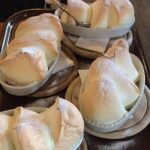
The food is not an afterthought here. You’ll eat Marende Platte, a typical Austrian cold-plate arrangement that includes different cold cuts, cheese variations, typical spreads, and freshly baked bread.
I love this kind of pairing because it’s practical. In real life, Austrian wine isn’t always paired with a fancy multi-course menu. It’s meant for the day-to-day rhythm—sharing food, talking, and drinking something that makes the meal better.
Other food & drink experiences in Salzburg

How the food changes the wine experience
Cheese, spreads, and cured meats all do different things on your palate. Fat and salt can change how acidity reads. Bread can soften sharp edges so a wine feels rounder. Spreads can bring flavors that help you detect fruit or spice notes you might miss if you’re tasting on an empty stomach.
And because you’ll be eating while tasting, you get to learn without the usual fatigue that comes with “stand and sip” tastings. You’ll still taste wine, but you won’t feel punished for doing it.
A heads-up for picky eaters
This is built around cold cuts, cheese, spreads, and bread. If you avoid certain meats or dairy, you should check with the provider ahead of time on what can be adjusted. The data here confirms what’s included; it doesn’t spell out substitutions, so it’s worth asking early if you have strong dietary limits.
How the guide keeps it fun (and actually helps you learn)
One reason this class earns such strong ratings is the way it’s taught. Melanie Pascal Heiss runs things with enthusiasm and warmth, and you’ll feel that in the room. She’s personable, and she keeps the tone approachable—something I appreciate when I’m trying to learn without feeling like I’m being tested.
If you’re a beginner, this kind of guidance can stop the spiral of second-guessing. If you already know wine, the session still works because the focus isn’t just on what to taste. It’s on why these wines exist in the Austrian context and how production choices and regulations shape what ends up in your glass.
You also have a private format, meaning your questions aren’t competing with anyone else’s. In a crowded group setting, people often ask the safest, most general question. Here, you can ask what you genuinely want to know—about grape varieties, about the making process, or about how the food match works.
What an actual timeline feels like (without the chaos)
Even without a published minute-by-minute schedule, you can picture the flow. You start at the meeting point, then settle in with the tasting setup. From there, the session works like a sequence: wine comes out, you taste with guidance, and the food pairing is right there to keep your tasting grounded.
Over the 2 hours, you’ll likely move from easier explanations to more detailed context. The host shares the stories behind Austrian wine rules and production, and you’ll test those ideas by tasting the next pour. That “learn, taste, compare” loop is what makes it stick.
The class ends back at the meeting point. So you’re not stuck at some far-flung neighborhood trying to guess your way back after the last sip. For many people, that alone is worth something.
Price and value: is $225.73 per person a smart buy?
At $225.73 per person for about 2 hours, this isn’t the cheapest way to drink wine in Salzburg. But it isn’t aiming to be cheap. It’s aiming to be effective.
Here’s the value math I see:
- You’re getting private instruction rather than a standard group pour.
- You get six Austrian wines, not a token “sampler” with vague explanation.
- You’re also getting Marende Platte with bread, cheese, cold cuts, and spreads.
So the price isn’t only paying for wine. It’s paying for guided comparison plus a full pairing meal-style plate. If you’re the kind of traveler who hates spending vacation hours Googling and then reading reviews anyway, paying for a structured tasting can be a time-saver that turns into real learning.
Also, the experience is booked on average about 71 days in advance. That’s a sign it has a steady demand. If you have fixed travel dates, I’d rather secure it early than gamble on last-minute availability.
Who this tasting suits best
I think this class is ideal if you want:
- A friendly, teacher-led way to learn Austrian wine without feeling formal
- A tasting that pairs wine with real food instead of tiny nibbles
- A private setting where you can ask questions and actually hear the answers
It’s also a good fit for couples or small groups. The tone from the guide is described as enthusiastic and welcoming, and the format is set up to keep things social rather than stiff.
If you’re on a strict schedule and can only handle one tasting class, this one makes sense because six wines in two hours is a strong coverage rate.
Should you book this Austrian wine-and-food class?
I’d book it if you want your Salzburg time to include something you can’t easily replicate on your own: guided comparison of Austrian wine plus a classic pairing plate (Marende Platte) with clear context about how Austria makes and regulates wine.
Skip it only if cold cuts and cheese-style pairings don’t work for you, or if you’re craving a longer, sit-down restaurant meal. This is a compact, taught tasting. It’s meant to leave you satisfied, informed, and ready to keep exploring Austrian food with a better lens.
If that sounds like your style, this is one of the most practical ways to learn Austrian wine fast—without the stress of building your own tasting plan.
FAQ
How long is the private wine and charcuterie tasting class?
It lasts about 2 hours.
What is included in the tasting?
You’ll try six Austrian wines paired with an Austrian cold-cut plate called Marende Platte, including cold cuts, cheese variations, typical spreads, and freshly baked bread.
Where does the experience meet?
The class starts at Miele Experience Centre Salzburg, Mielestraße 10, 5071 Kleßheim, Austria, and it ends back at the meeting point.
Is this experience private?
Yes. It’s listed as a private tour/activity, so only your group participates.
How far in advance should I book?
On average, it’s booked about 71 days in advance, so booking earlier is a smart move if your dates are fixed.
What is the cancellation policy?
You can cancel for a full refund up to 24 hours before the experience’s start time. The policy notes free cancellation and that changes inside 24 hours aren’t accepted.