REVIEW · SALZBURG
Salzburg: Private Eagle’s Nest Tour
Book on GetYourGuide →Operated by Salzburg Panorama Tours GmbH · Bookable on GetYourGuide
A ride into Nazi history with jaw-dropping mountain views. I like the private, English-friendly guiding that makes the Eagle’s Nest story clear, and I like the way the day is built around the drive and the mountain ascent instead of rushing through a quick photo stop. One possible drawback: this site and the route involve some real uphill riding and stairs, so it’s not a great fit for people with mobility impairments.
You start in Salzburg and end back there, with hotel pickup and a private driver/guide handling the timing. Along the way, you’ll cross into Germany, stop at Obersalzberg, then switch to a reserved bus for the steep, single-lane mountain road. After that, you’ll go through a tunnel, ride a golden brass elevator, and tour the building where a famous fireplace still draws attention—then you’ll come back down with panoramic views of the Bavarian and Austrian Alps.
If you’re the kind of traveler who likes meaning, not just scenery, this is a strong day. You’ll also want to bring a passport or valid ID for the border controls—this isn’t the kind of place where you can wing it at the last second.
In This Review
- Key Things I’d Plan Around
- Salzburg to the German Border: The Scenic Warm-Up
- Obersalzberg and the 6.5-Kilometer Road Up to the Eagle’s Nest
- Through the Mountain: Tunnel, Golden Brass Elevator, and the Main Rooms
- The Guide Factor: How the Story Lands (and Stays Clear)
- Views Over the Bavarian and Austrian Alps: When You Actually Get Time to Look
- Tickets, Entrance Fees, and the Real Cost of “Skip the Line”
- Timing, Comfort, and What to Bring (So the Day Goes Smooth)
- Should You Book the Salzburg Private Eagle’s Nest Tour?
- FAQ
- How long is the Salzburg: Private Eagle’s Nest tour?
- What is the meeting point if I’m not staying in a hotel?
- Do I need a passport for this tour?
- Is food included?
- Are entrance fees included?
- What languages are the live guides?
- Is this tour suitable for wheelchair users or people with mobility impairments?
- Is it worth booking if I want to avoid long queues?
Key Things I’d Plan Around
- A reserved bus ascent: switch vehicles at Obersalzberg and ride a steep road carved from solid rock (6.5 km with a 22% gradient).
- Two 124-meter moments: a 124-meter tunnel into the mountain, then another 124 meters upward via a golden brass elevator.
- Skip-the-line advantage: your group gets guided access without you standing around waiting.
- A real guide, not a script: your guide shares anecdotes and context tied to the tea-house era and the building’s rooms, including the fireplace.
- Alps views that you can actually see: the viewing moments aren’t just at the top; you get sightlines on the drive too.
- Private group up to 8: cost is per group, so small families or friend groups can make it feel more reasonable.
Salzburg to the German Border: The Scenic Warm-Up
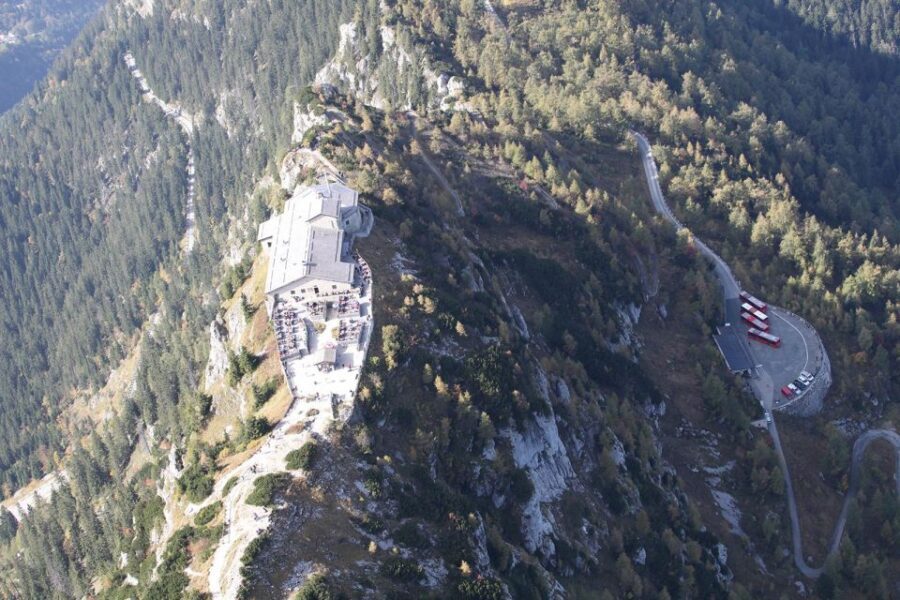
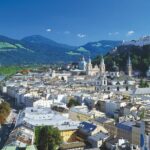
The best part of this tour is that it doesn’t begin with a ticket line. It begins with the road—out of Salzburg, across the German border, and into the Alps. Right away, you get that shift from city pace to mountain pace. The route is designed for views, so even before you reach the famous site, you’re already seeing why this area became a destination for people who wanted elevation and weather-proof views.
Practically, this matters. A lot of “Eagle’s Nest” experiences feel like a sprint: get dropped off, take photos, leave. Here, you’re on the move from the start, which changes how the day feels. You’ll have time to look out the window, ask questions, and get oriented before you enter the mountain complex.
You should also mentally plan for border controls. You’ll cross into Germany, and the tour explicitly asks you to bring a valid passport or ID card because of increased border checks. Bring it even if you think you’ll only be out for a few hours. In Europe, “just a short crossing” can still turn into a slow moment if someone is missing the right document.
Other private tours in Salzburg

Obersalzberg and the 6.5-Kilometer Road Up to the Eagle’s Nest
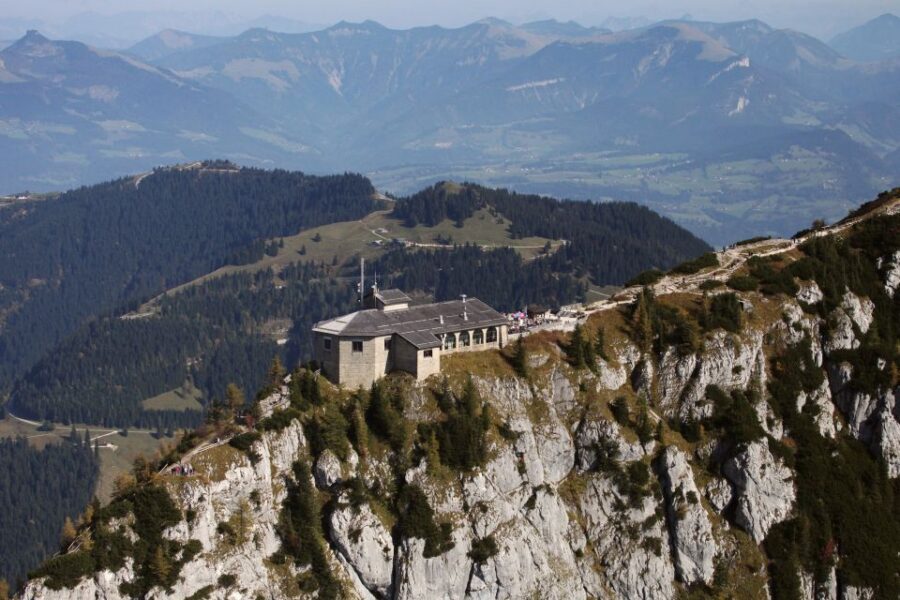
At Obersalzberg, you switch to a reserved bus for the ascent. This is not a gentle climb. The road is a single-lane drive blasted out of solid rock, and it climbs to about 1,820 meters. The gradient is listed as 22%, which is steep enough that you’ll feel it in your stomach even if you’re sitting comfortably.
This is also where a good driver and guide earn their keep. On a narrow, steep road, timing matters. Your group isn’t just “going along for the ride”—you’re part of a planned vehicle transfer that gets you where you need to be without you trying to figure out complicated transit on your own.
One small reality check: because this is a steep road and the complex sits high in the mountains, weather can affect what you can see clearly. Clear days give you that crisp Alps look. If clouds roll in, the experience can still be fascinating, but the view moments may be softer. Your guide can help you decide when it’s worth pausing for photos versus when to keep moving toward the next viewpoint.
Through the Mountain: Tunnel, Golden Brass Elevator, and the Main Rooms
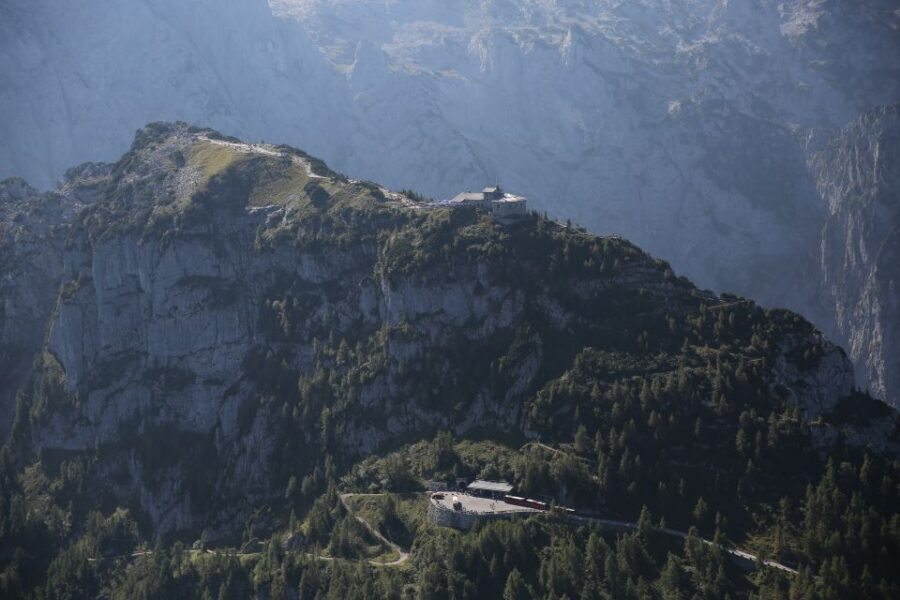
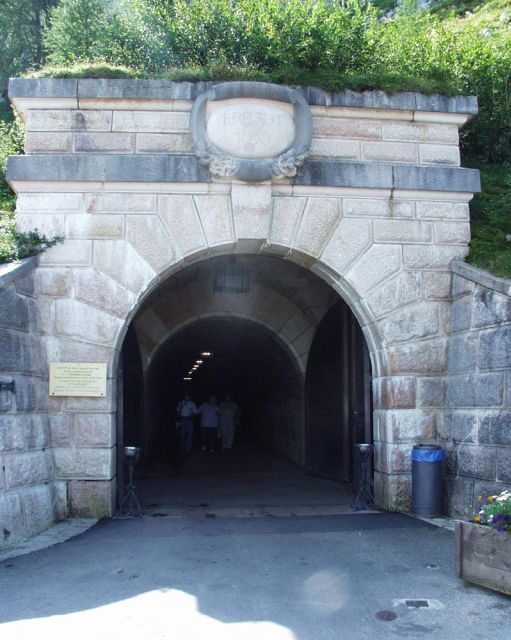
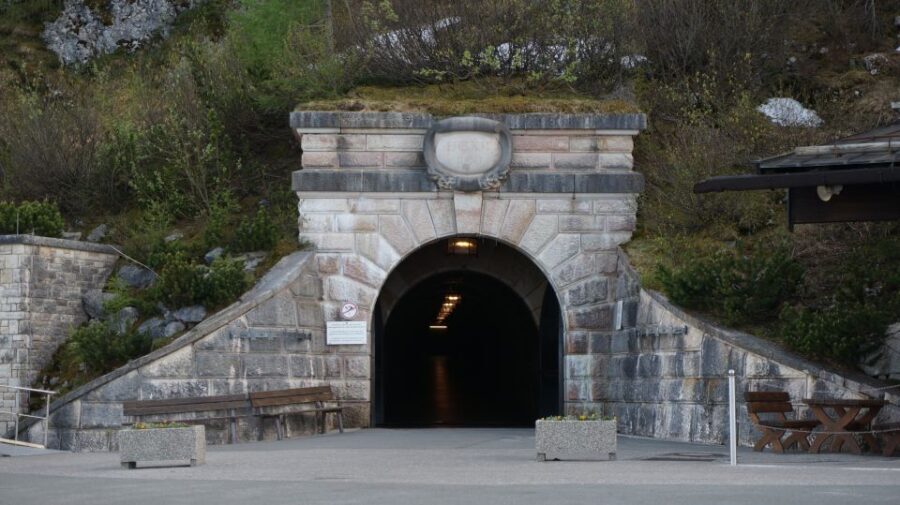
When you reach the Eagle’s Nest approach, the tour becomes physical in a very specific way. First comes a 124-meter-long tunnel that takes you into the mountain. Then you board a golden brass elevator to ascend another 124 meters into the building itself.
That tunnel-and-lift sequence is the core “wow” mechanism of the site. It’s one of the rare tourist experiences where the architecture is not background decoration—it’s part of the story. You’re literally moving from the landscape into the interior space that was designed to be protected, dramatic, and hard to reach without purpose.
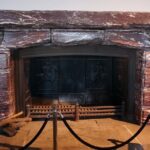
Once inside, your private guide leads the tour and focuses on what you came for: the rooms tied to Hitler’s former residence, including the room with the famous fireplace. The guide also shares insider-style anecdotes about the so-called tea house era. Even if you already know the broad historical outline, this kind of room-by-room explanation helps you connect objects, layout, and design choices into something you can picture.
A practical note: the tour includes a lot of moving through a contained complex. You’ll want comfortable shoes and comfortable clothes. The building is not a museum stroll where you can drift leisurely; it’s a guided route with stops that make sense inside the mountain environment.
The Guide Factor: How the Story Lands (and Stays Clear)
What makes this tour feel high-value isn’t just the architecture. It’s how your guide handles the subject. The tour includes a live guide in English, German, or Spanish, and the comments from past groups strongly point to guides who are active during the entire experience, not only at the entrance.
In my view, that difference matters a lot at sites like this. You’re dealing with heavy history. Without solid context, you can get lost in either cold facts or superficial details. With a good guide, you get the “why” behind what you’re seeing—how the space was used, why certain rooms are memorable, and how the story connects to the setting on the Alps side.
There’s also a real logistics benefit. Your guide can help you through queues and even assist with timing so you spend the right amount of time where it counts. Some past groups highlighted how guides handled changing circumstances so their group could stay longer where they wanted to focus. That’s the kind of small competence you feel in the day, even if you can’t fully measure it.
If you care about explanations and not just scenery checklists, this is where you’ll feel the most payoff. The guide’s job is to make a complex site readable in a few hours.
Views Over the Bavarian and Austrian Alps: When You Actually Get Time to Look
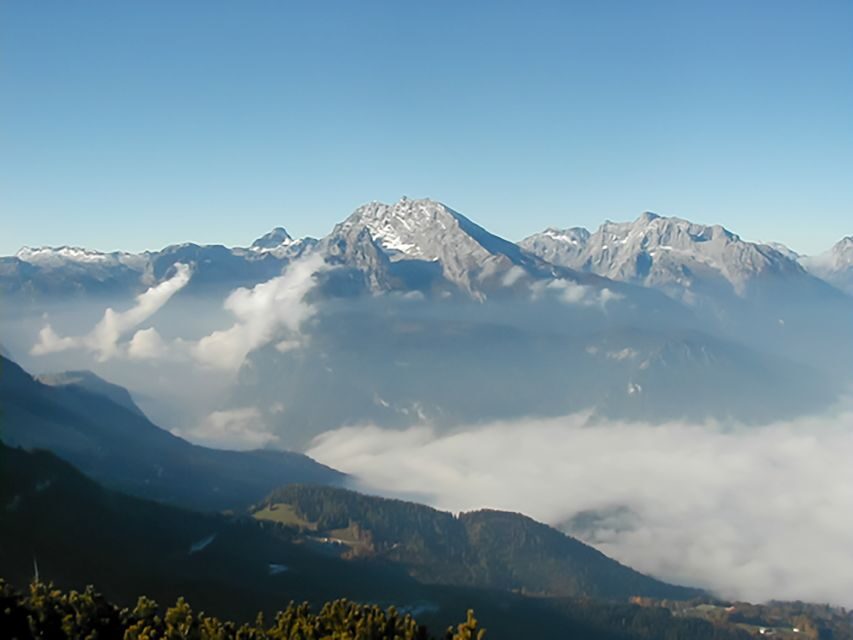
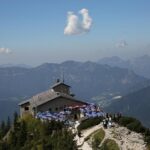
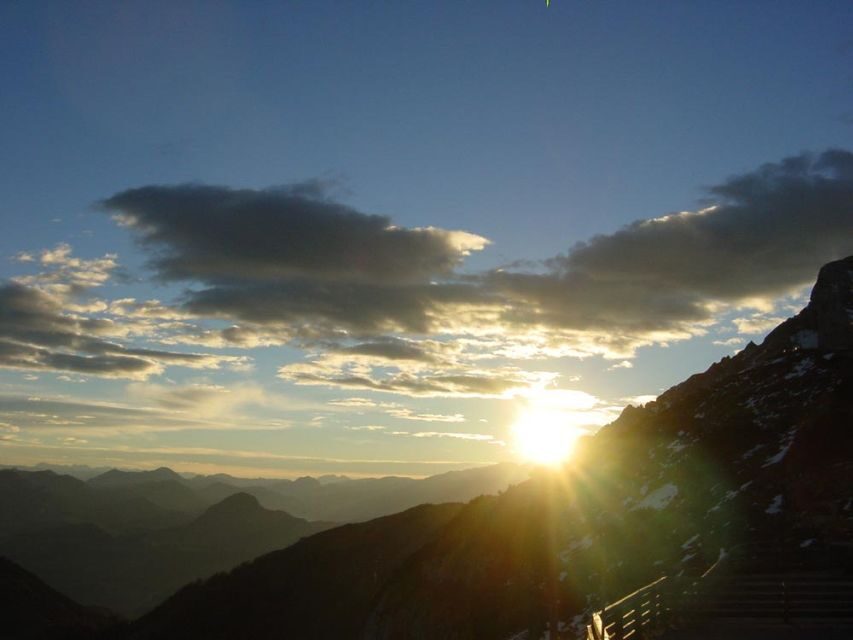
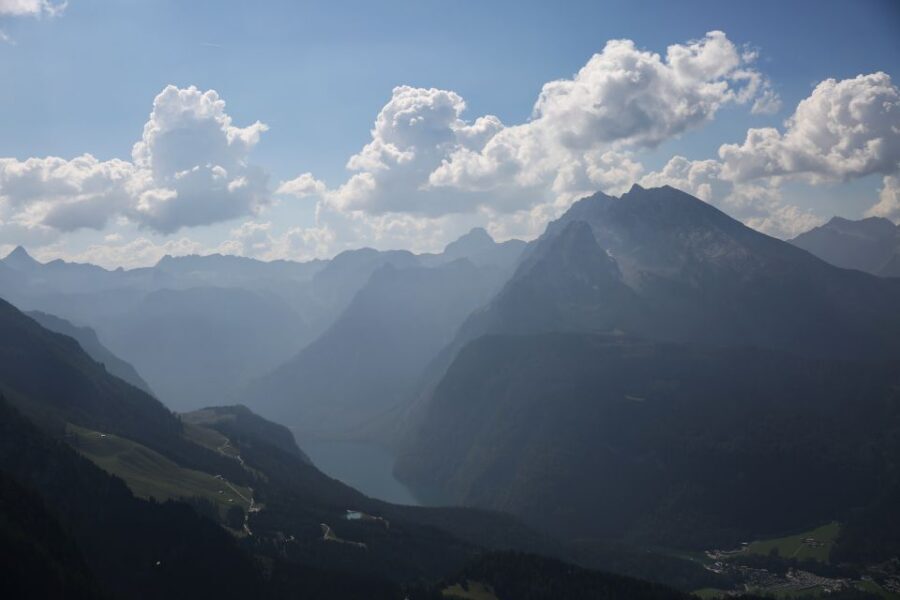
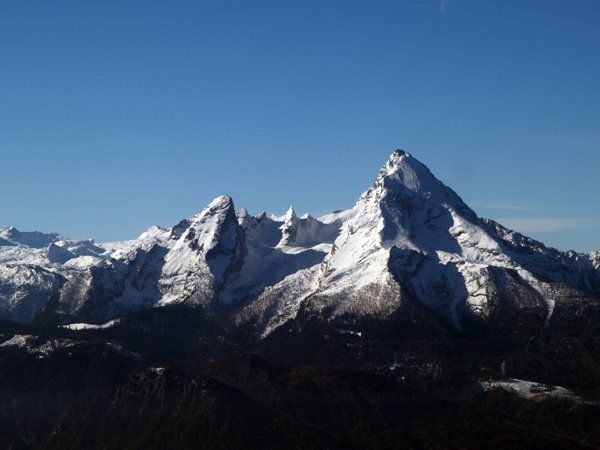
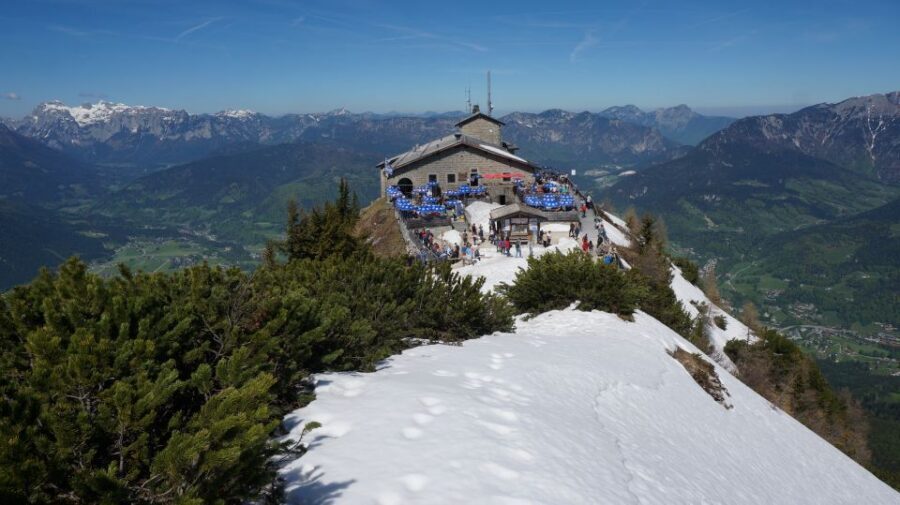
The Eagle’s Nest complex is famous, but the reason people keep talking about it is what you can see from up there. The tour is built around panoramic views of the Bavarian and Austrian Alps. You’re high enough that you can look across borders and ranges, and that geographic sweep makes the building’s location feel intentional.
I like that the views aren’t only a single quick moment. The driving segments and the mountain approach give you chances to spot angles and weather conditions. Then the time at the top lets you take in the bigger picture after you’ve learned what you’re looking at.
Still, a sensible expectation goes a long way: you won’t control clouds, and you won’t pick your weather. If visibility is strong, you’ll likely spend extra minutes at the overlooks. If it’s hazy or rainy, the architecture and guide-led room tour keep the experience valuable even without perfect sightlines.
This tour is also timed so you can enjoy the mountain-side feel without turning the day into an all-day ordeal. The duration is 4 hours, which means you can fit it into a Salzburg itinerary without losing the rest of your day.


Tickets, Entrance Fees, and the Real Cost of “Skip the Line”
The price is $706 per group (up to 8 people) and it runs for about 4 hours. That might sound steep when you compare it to a public bus ticket. But I think the pricing makes sense for how the day is structured: private driver/guide, hotel pickup and drop-off, and a reserved bus segment for the steep ascent.
Here’s the key value point: you’re not paying just for “getting there.” You’re paying for reduced friction—especially with the skip-the-ticket-line part and the guided pacing. On a site with limited capacity and heavy demand, cutting down waiting time can be the difference between a calm, guided day and a rushed one.
A couple of costs are not included. You’ll need to plan for entrance fees and food and drinks. For me, that’s an important budgeting step. If you want lunch beforehand or snacks afterward, factor that in so the day stays comfortable.
Bottom line on cost: if you’re traveling as a small group (rather than one person), the per-group structure can make this feel much more reasonable.
Timing, Comfort, and What to Bring (So the Day Goes Smooth)
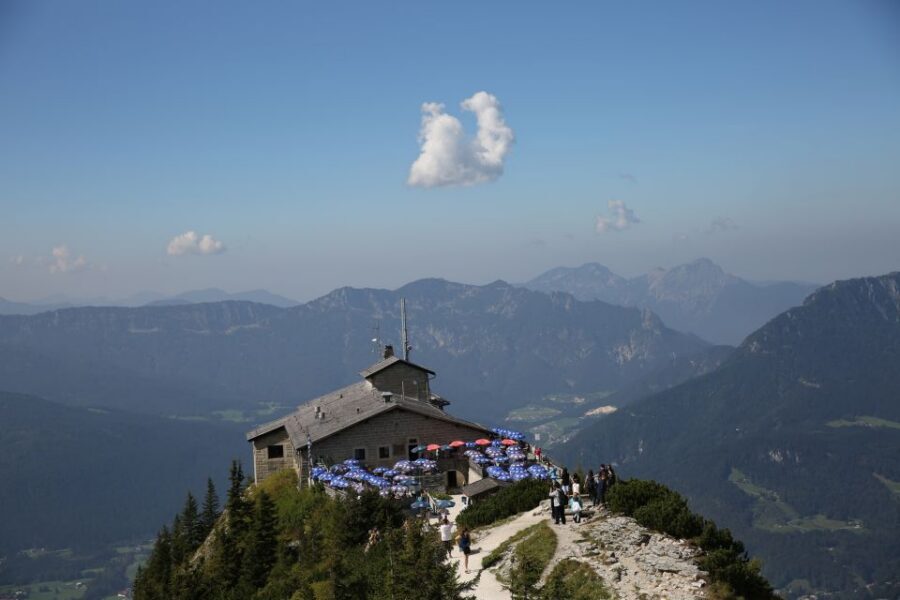
This tour isn’t listed as wheelchair-friendly, and it also isn’t suitable for people with mobility impairments. The experience involves mountain transit, stairs or walking inside the complex, and a tunnel/elevator sequence. If accessibility is a concern, you’ll want to think carefully before booking.
For everyone else, the basics are simple:
- Bring your passport or valid ID card for the border crossing.
- Wear comfortable shoes. You’ll move around.
- Dress for changing mountain weather with comfortable clothes.
- No pets are allowed.
Also, do expect a “wait less” day rather than a “no line” guarantee. The tour includes skip-the-line access, but you’ll still be moving through a controlled complex. The goal is fewer idle minutes, more guided time.
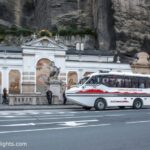
Finally, if you’re staying in a hotel, you’ll get hotel pickup and drop-off. If not, you meet at the Panorama Bus Terminal at Mirabell Platz, by the corner of Hubert Sattler Gasse 1, opposite Mirabell Palace in front of St Andra Church. Plan to arrive a few minutes early so you’re not stressed before the border climb begins.
Should You Book the Salzburg Private Eagle’s Nest Tour?
I’d book this tour if you want three things in one package: a guided explanation that helps you understand what you’re seeing, a private-group experience that keeps the day calm, and the best parts of the journey—mountain road views plus the distinctive tunnel and brass elevator sequence.
I wouldn’t book it if you’re hoping for an easy, low-movement activity, or if you’re mainly looking for a cheap, fast stop. The price assumes you value time saved, guidance, and a smoother route up to 1,820 meters.
If you’re a couple, a small family, or a group of up to eight friends who can share the cost, this becomes a very practical way to do a high-demand site without turning your Salzburg day into logistics homework. If heavy history is part of your travel interests, the guide-led room tour—especially the famous fireplace area and the tea-house anecdotes—gives your photos context, not just captions.
FAQ
How long is the Salzburg: Private Eagle’s Nest tour?
The tour lasts about 4 hours.
What is the meeting point if I’m not staying in a hotel?
You meet at the Panorama Bus Terminal at Mirabell Platz, corner Hubert Sattler Gasse 1, 5020 Salzburg, opposite Mirabell Palace in front of St Andra Church.
Do I need a passport for this tour?
Yes. Bring a valid passport or ID card due to increased border controls.
Is food included?
No. Food and drinks are not included.
Are entrance fees included?
Entrance fees are not included.
What languages are the live guides?
Live tour guidance is available in English, German, and Spanish.
Is this tour suitable for wheelchair users or people with mobility impairments?
No. It is not suitable for people with mobility impairments or wheelchair users.
Is it worth booking if I want to avoid long queues?
Yes. The tour includes skip-the-ticket-line, which helps you spend more of your limited time on the experience itself.